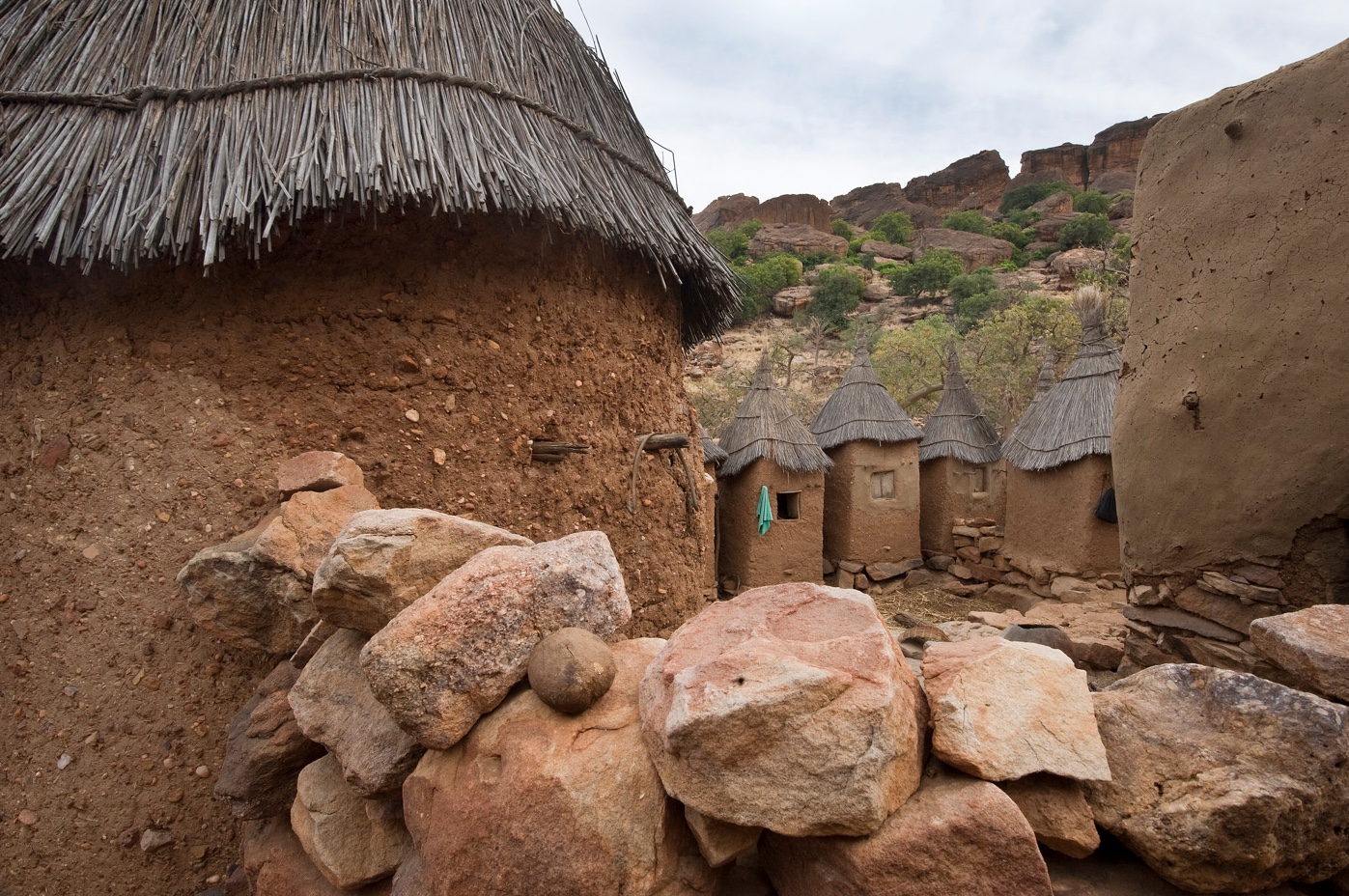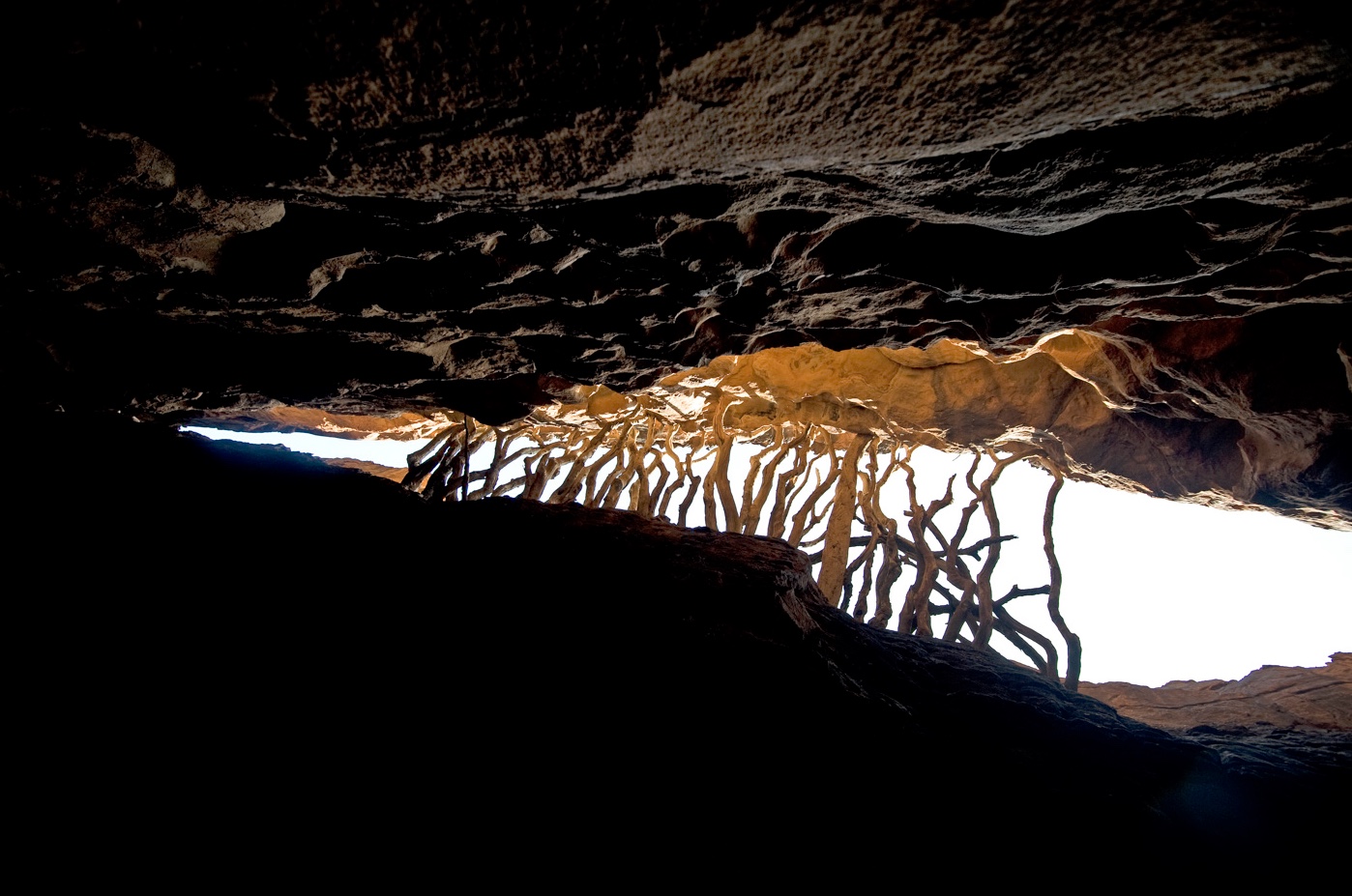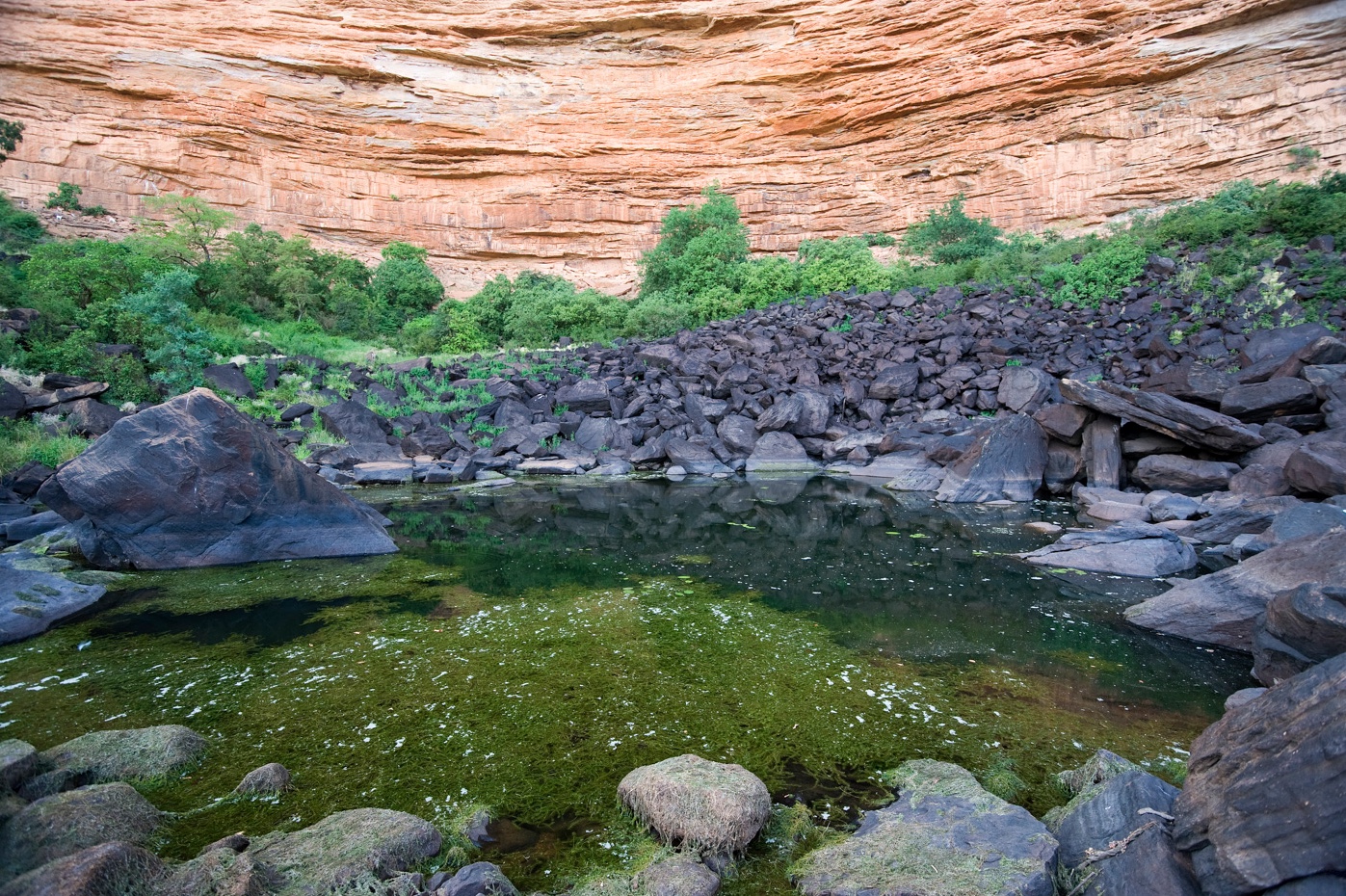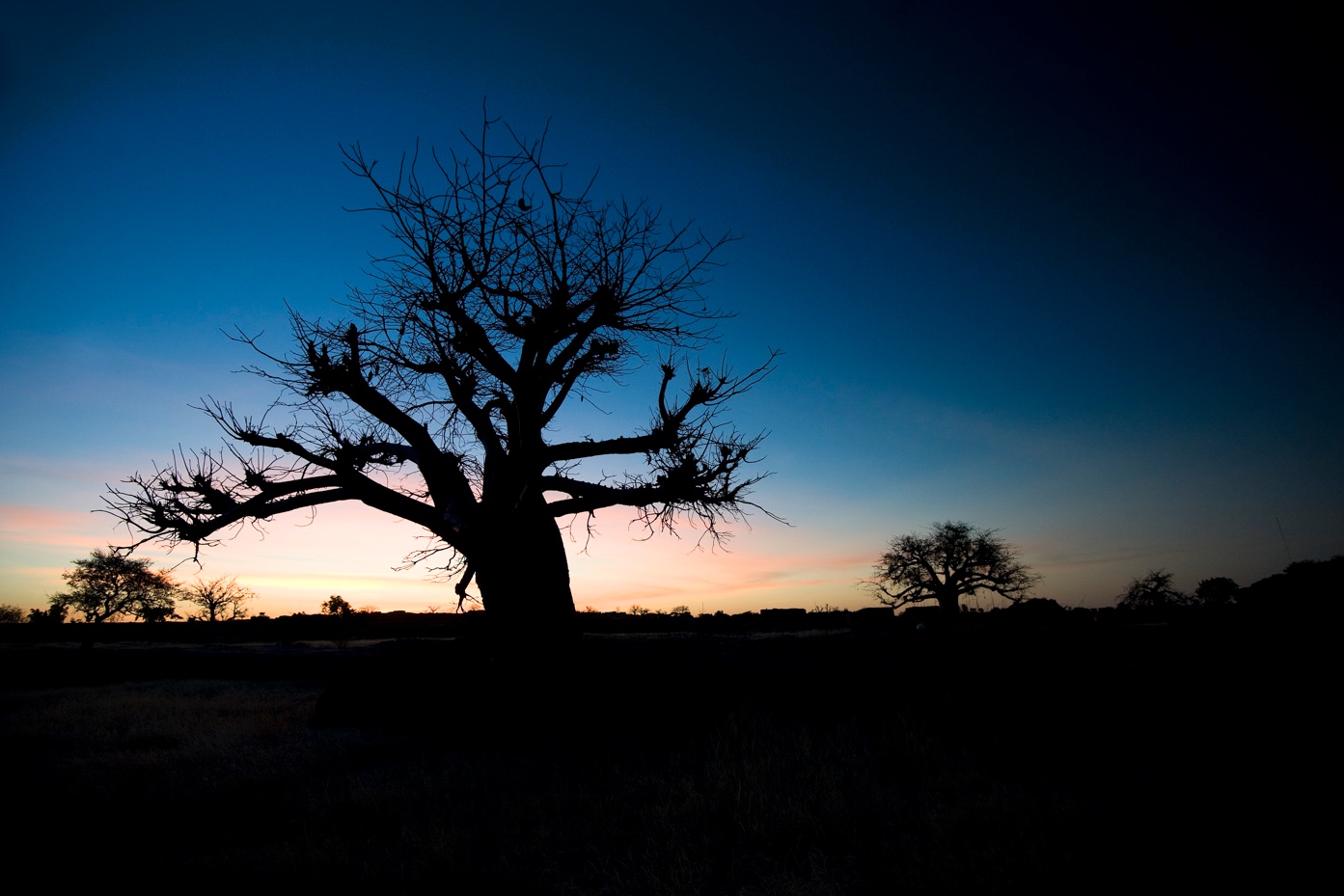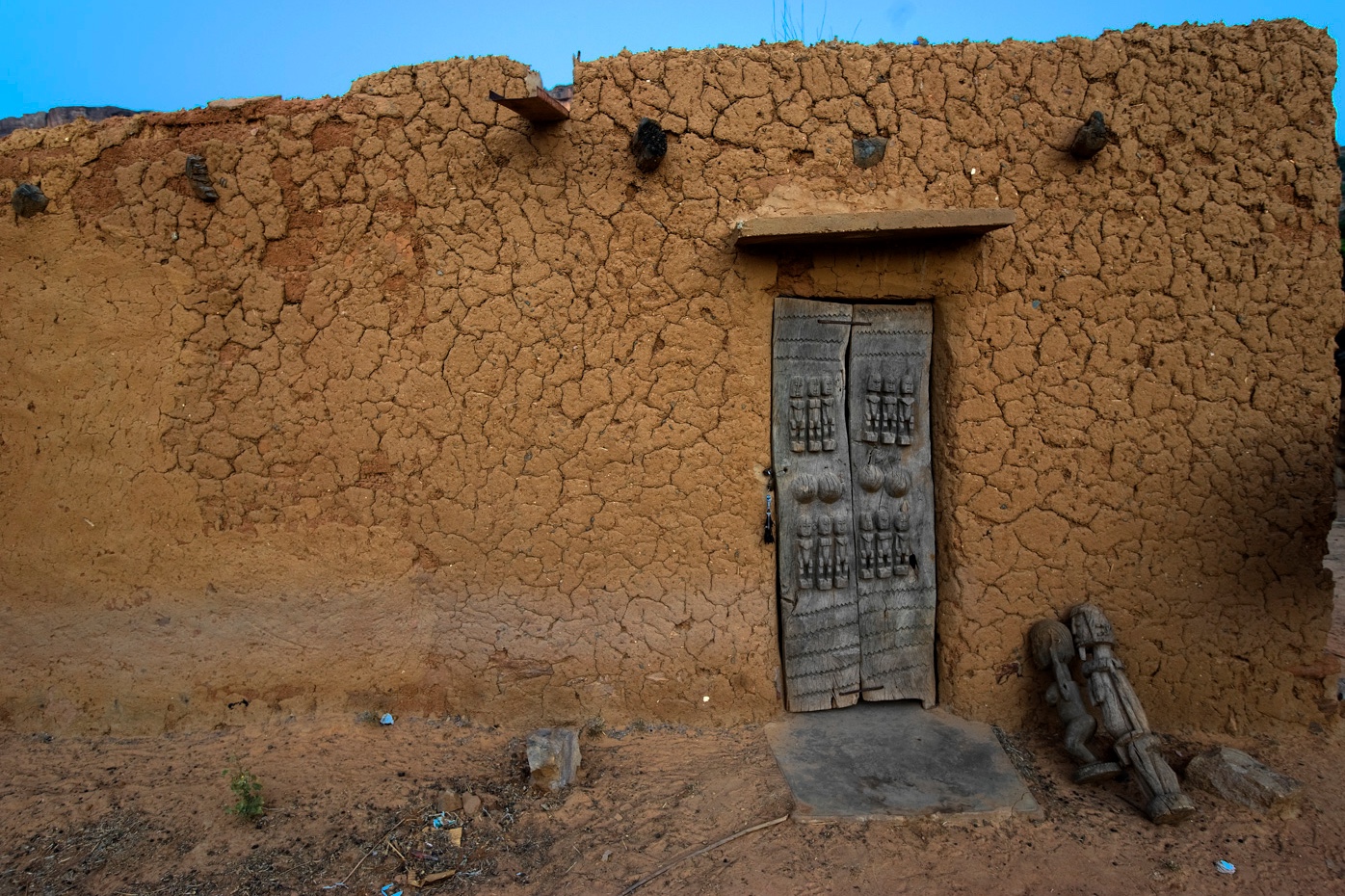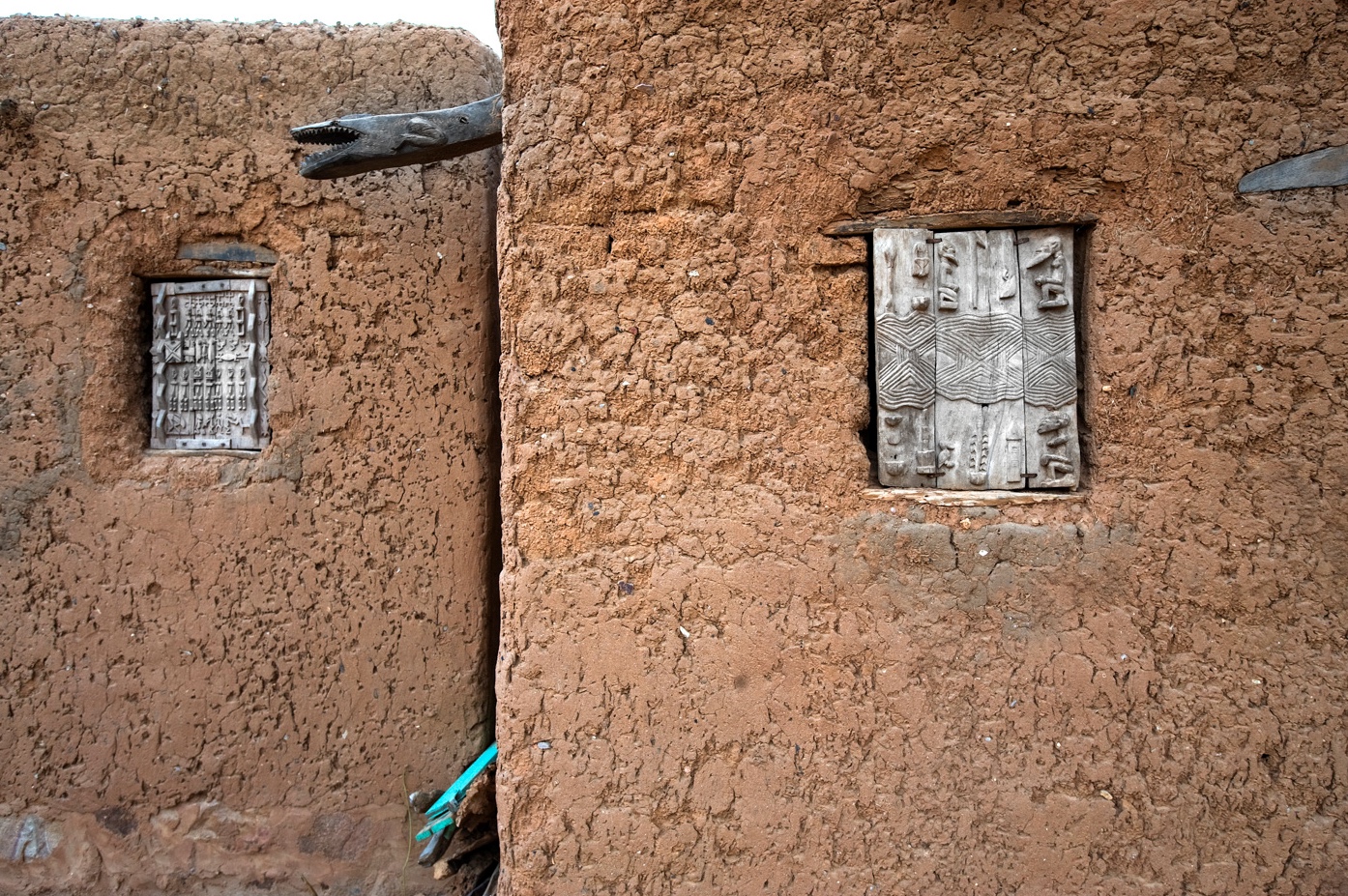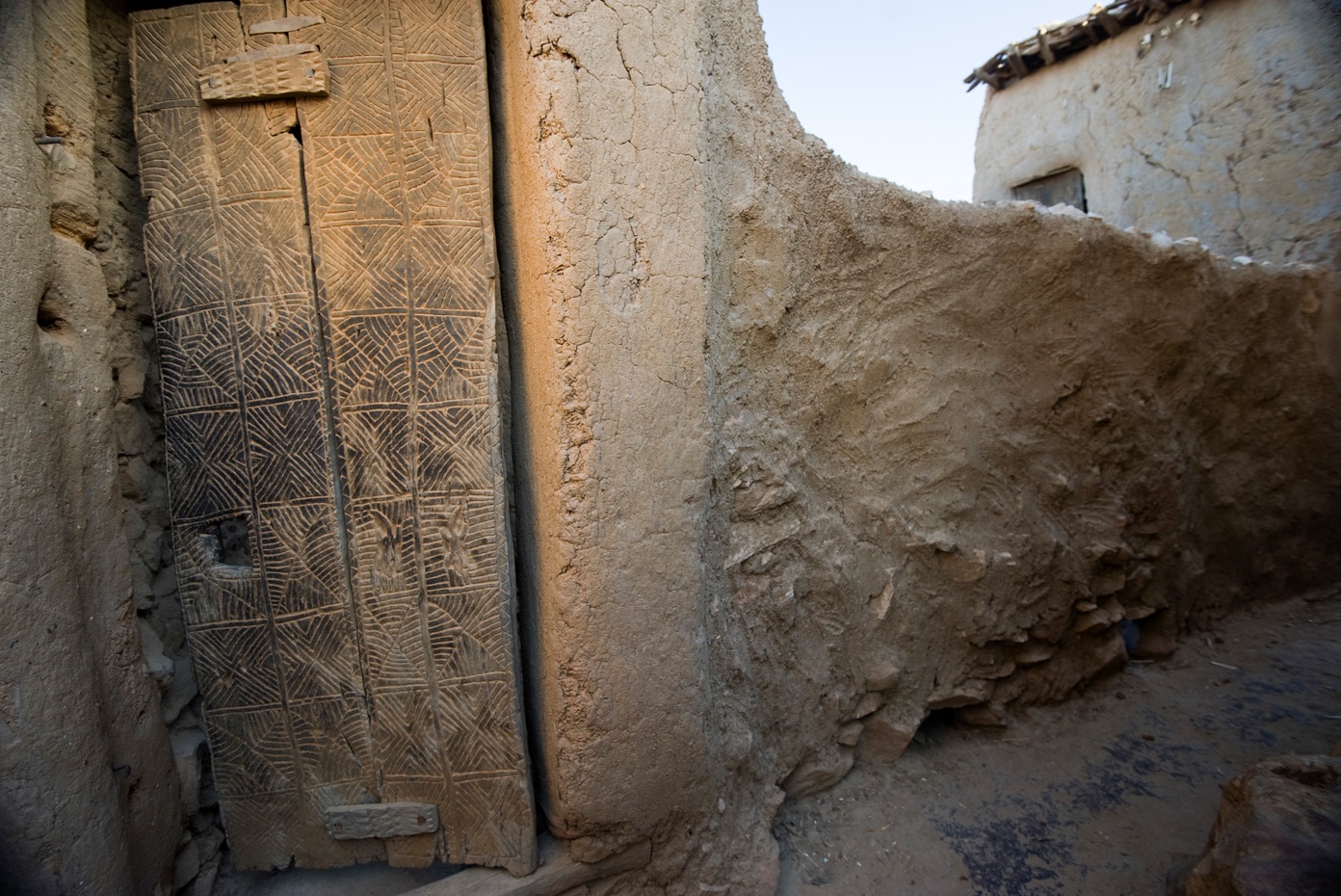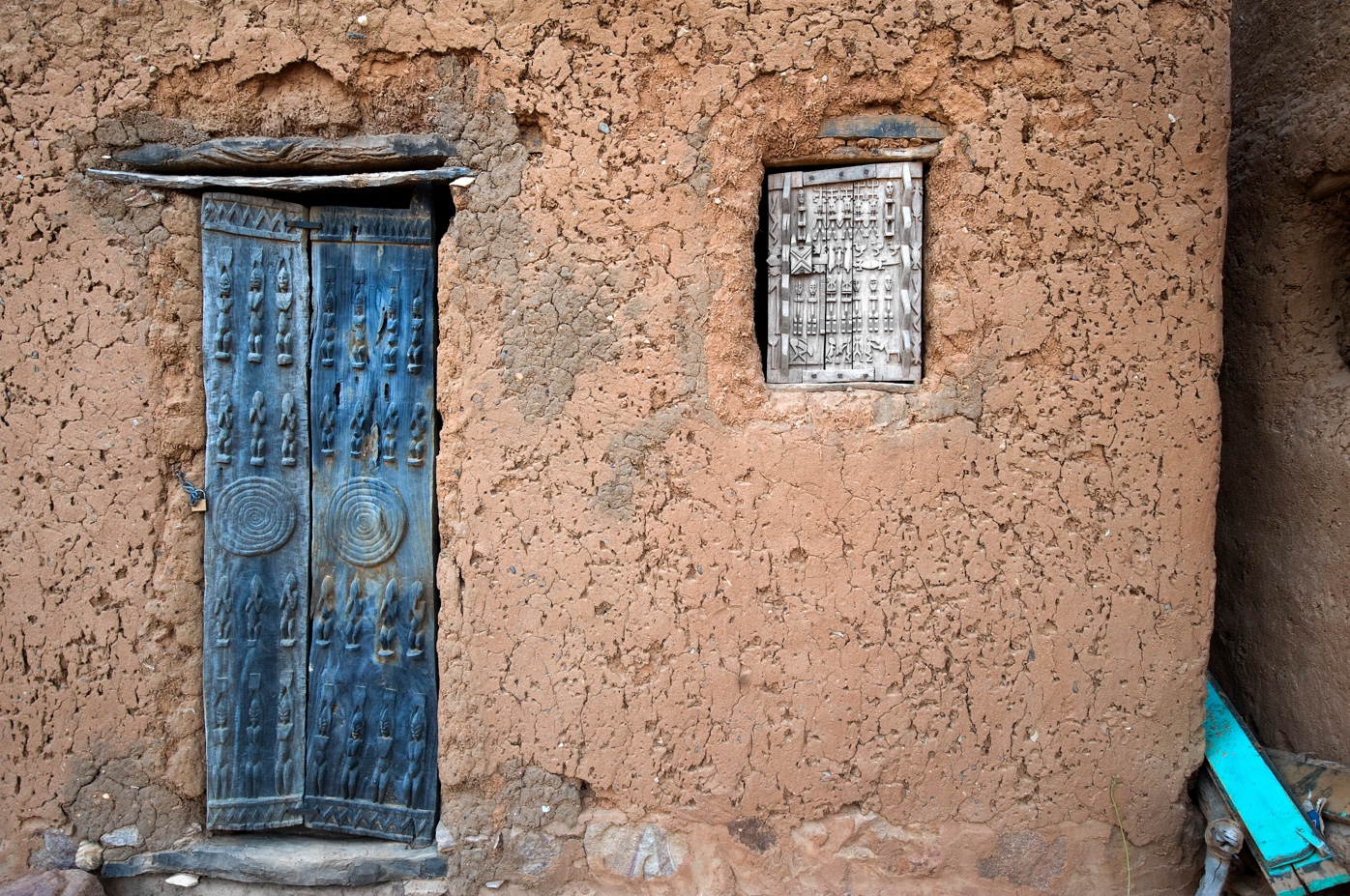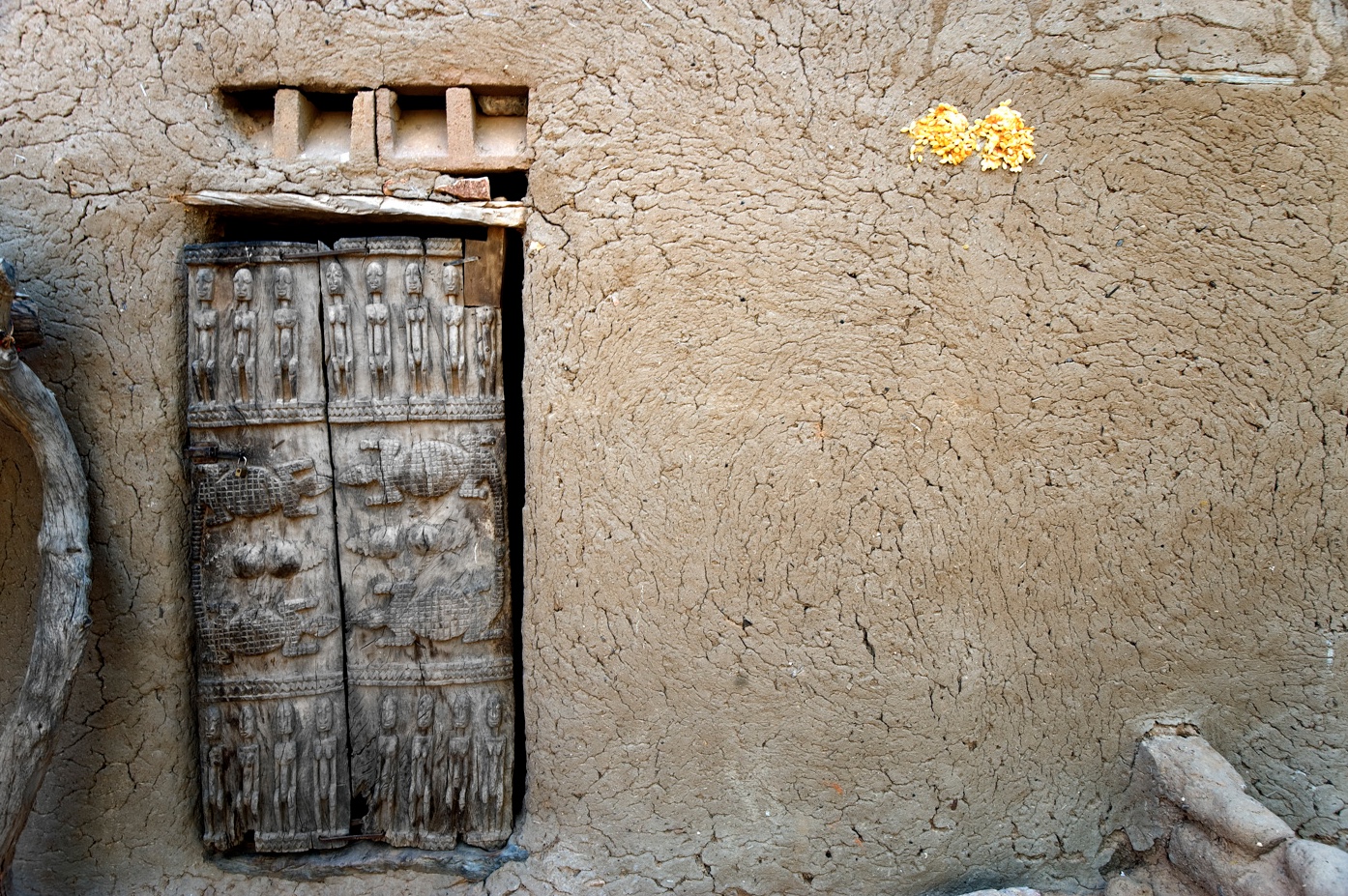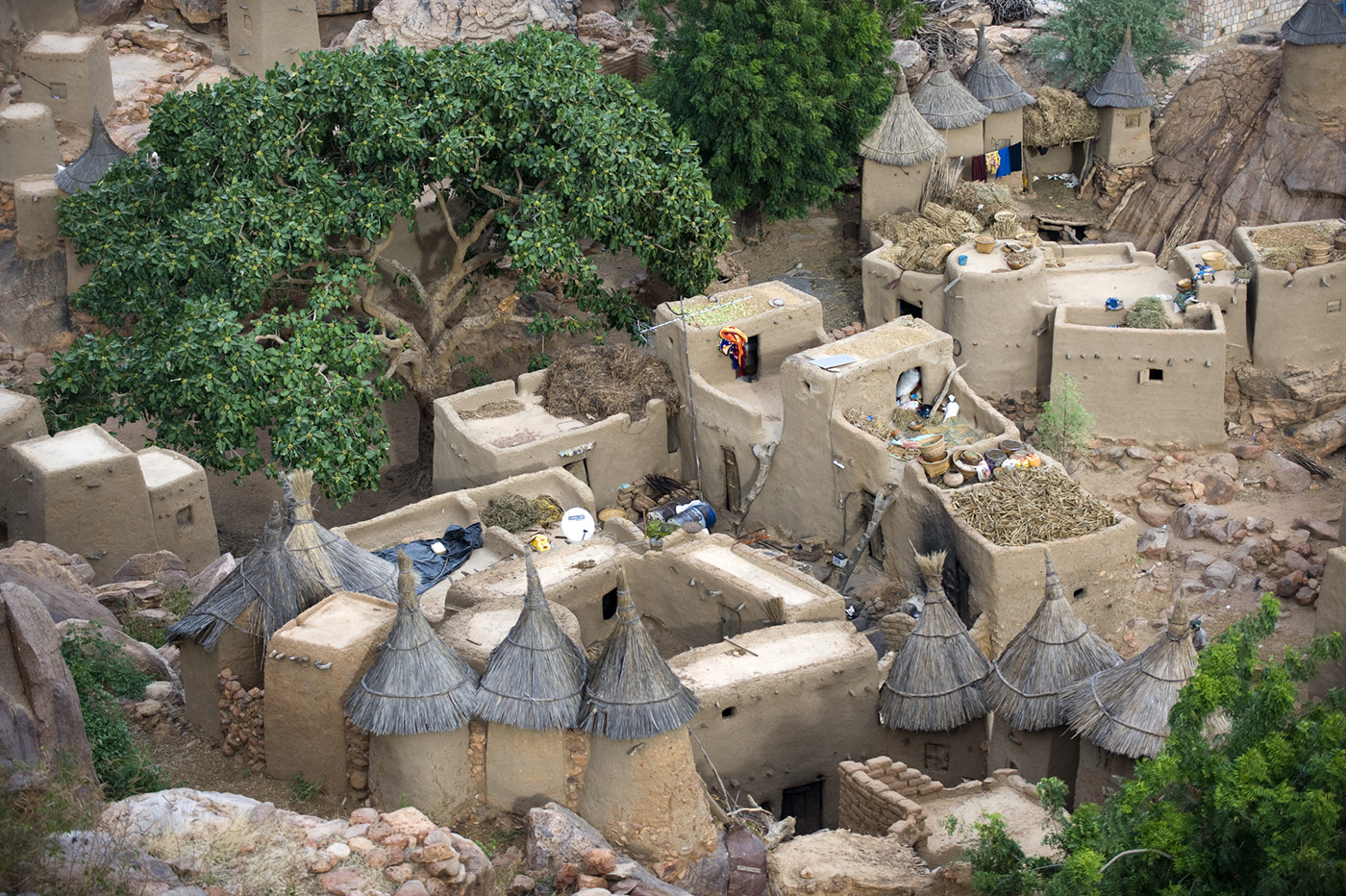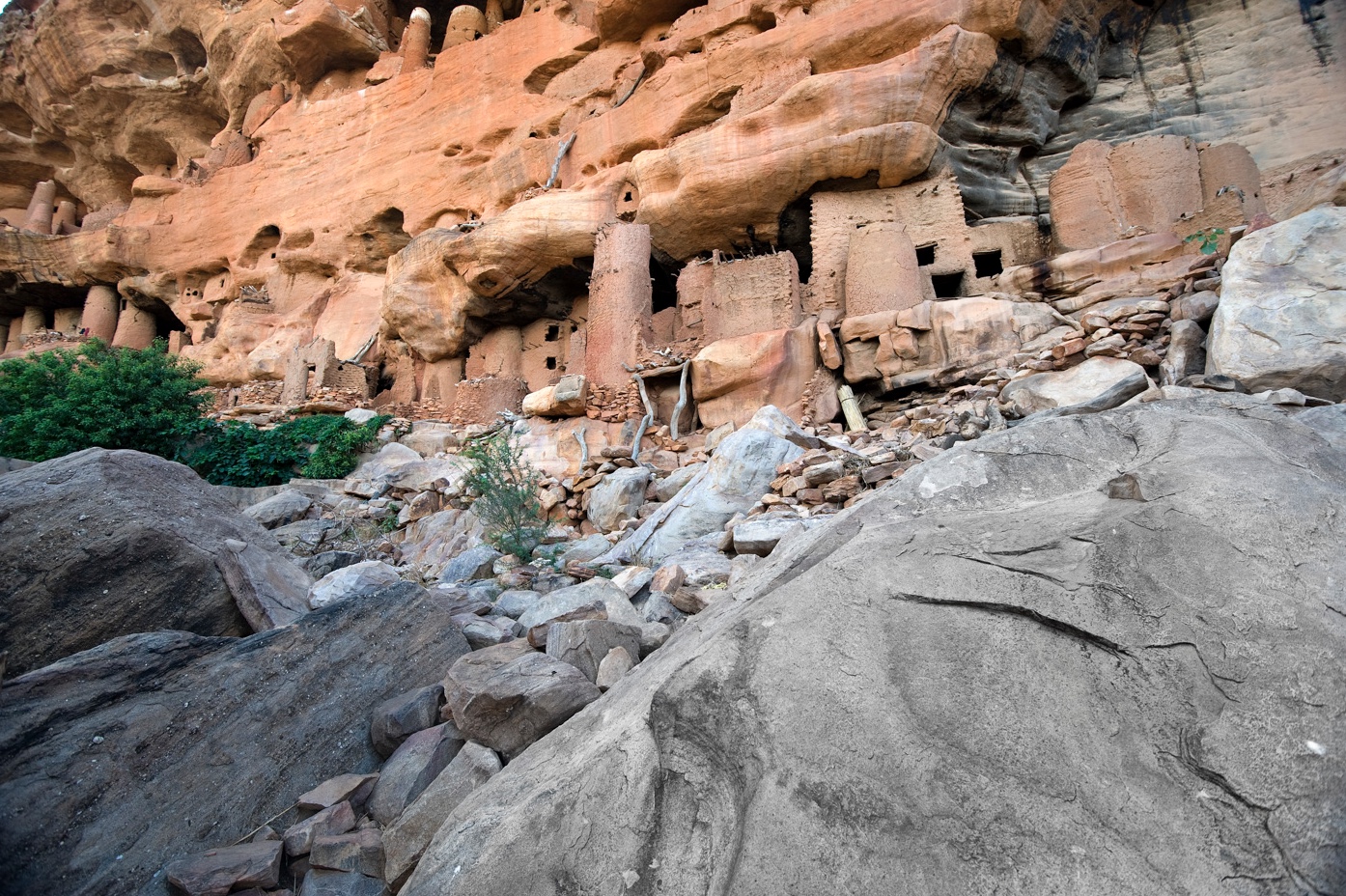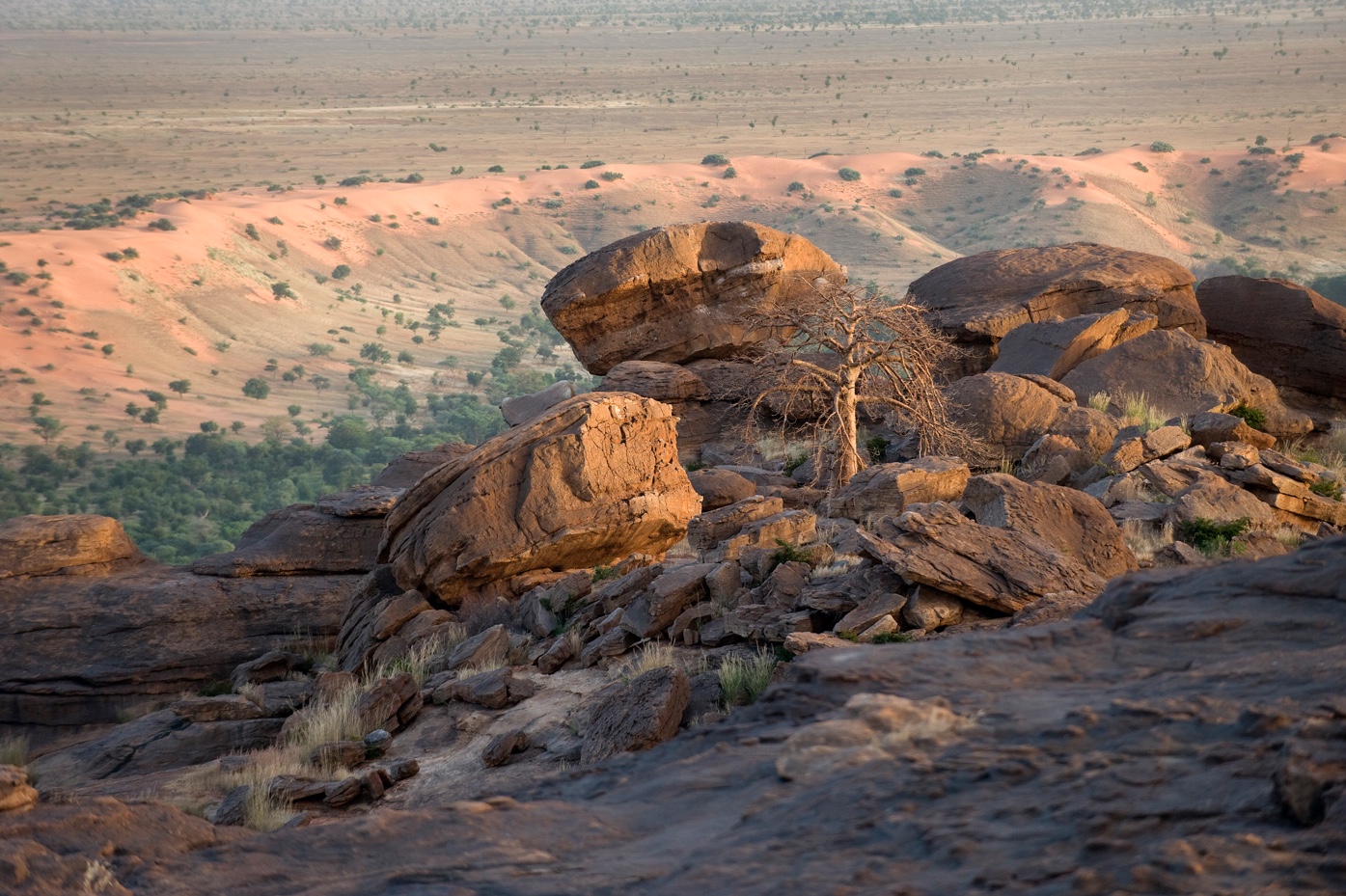
The Dogon population in Mali is famous throughout the world for the splendor of its masks, the beauty of its architecture (dwellings, attics, altars, sanctuaries, troglodyte constructions and togunas) and its sculptures, the richness of its archaeological heritage, social and cultural (ritual and popular festivals, ancestor worship periodically through several ceremonies). The Bandiagara site adds to this anthology its exceptional landscapes of cliffs and sandstone plateau. It is one of the most majestic sites in West Africa.
Today there is a fascination with the Dogons based in part on a romantic association between a chaotic landscape of origins (i.e. a “primitive” nature) and an authentic and fixed ancestral culture. (Eric Jolly).
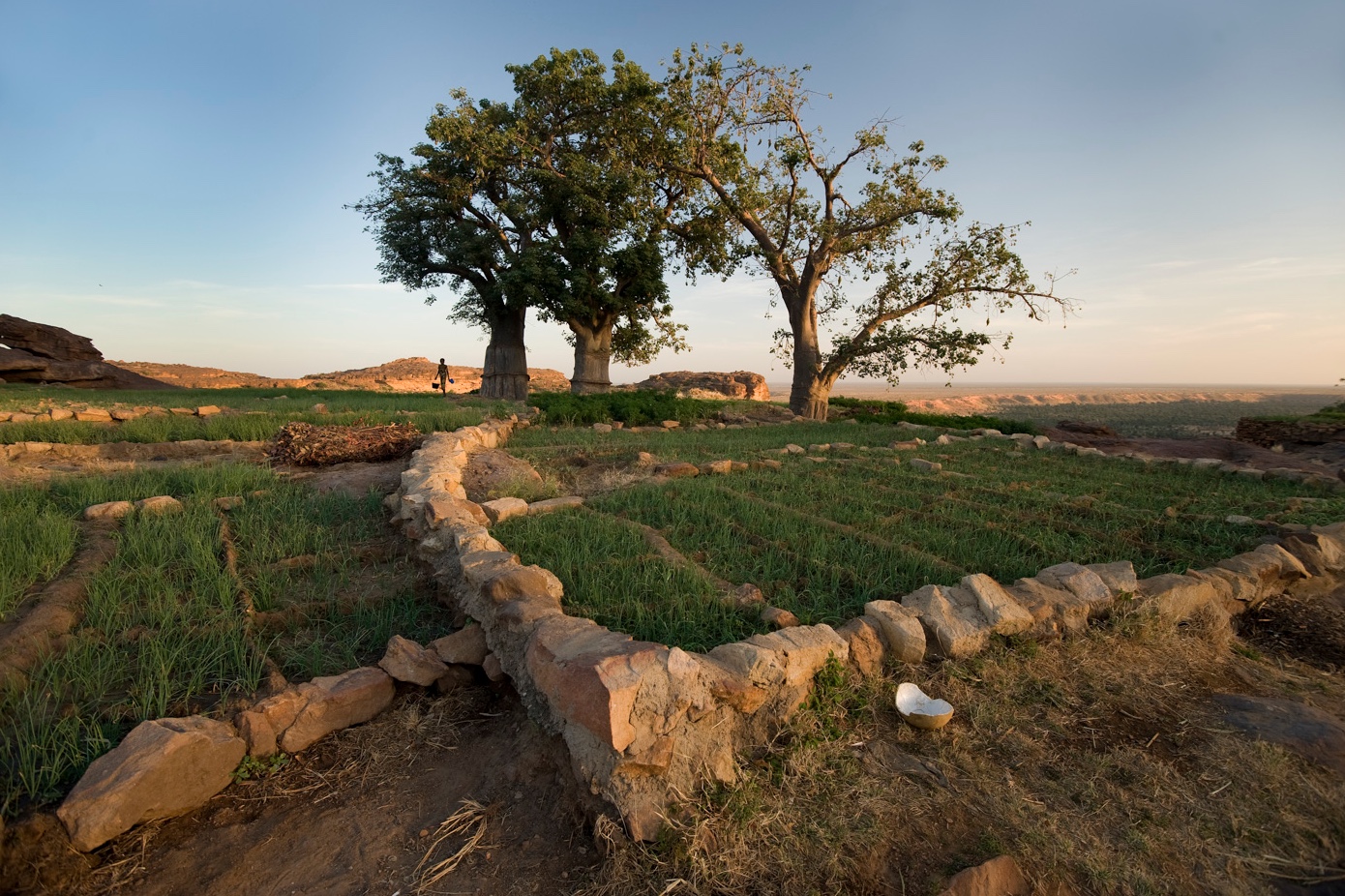
The Dogons are above all farmers, by mainly cultivating millet (stored in the rich attics of each family) and blacksmiths.
Most of the villages are located in the cliff, and accessible by often steep paths.
The traditional hut is organized around a courtyard, surrounded by the attic of each wife and that of the husband, which is used to keep the millet.
The Dogon men in their ocher brown boubou and woven trousers under a conical hat, and the Dogon women with sophisticated hairstyles, in their colorful loincloths, fascinate the newcomer.
The Dogons have an animist religion. The baobab is a sacred tree that can never be cut down or sold; the fox, the snake and the crocodile are sacred animals that have a place in Dogon mythology: they must never be killed.
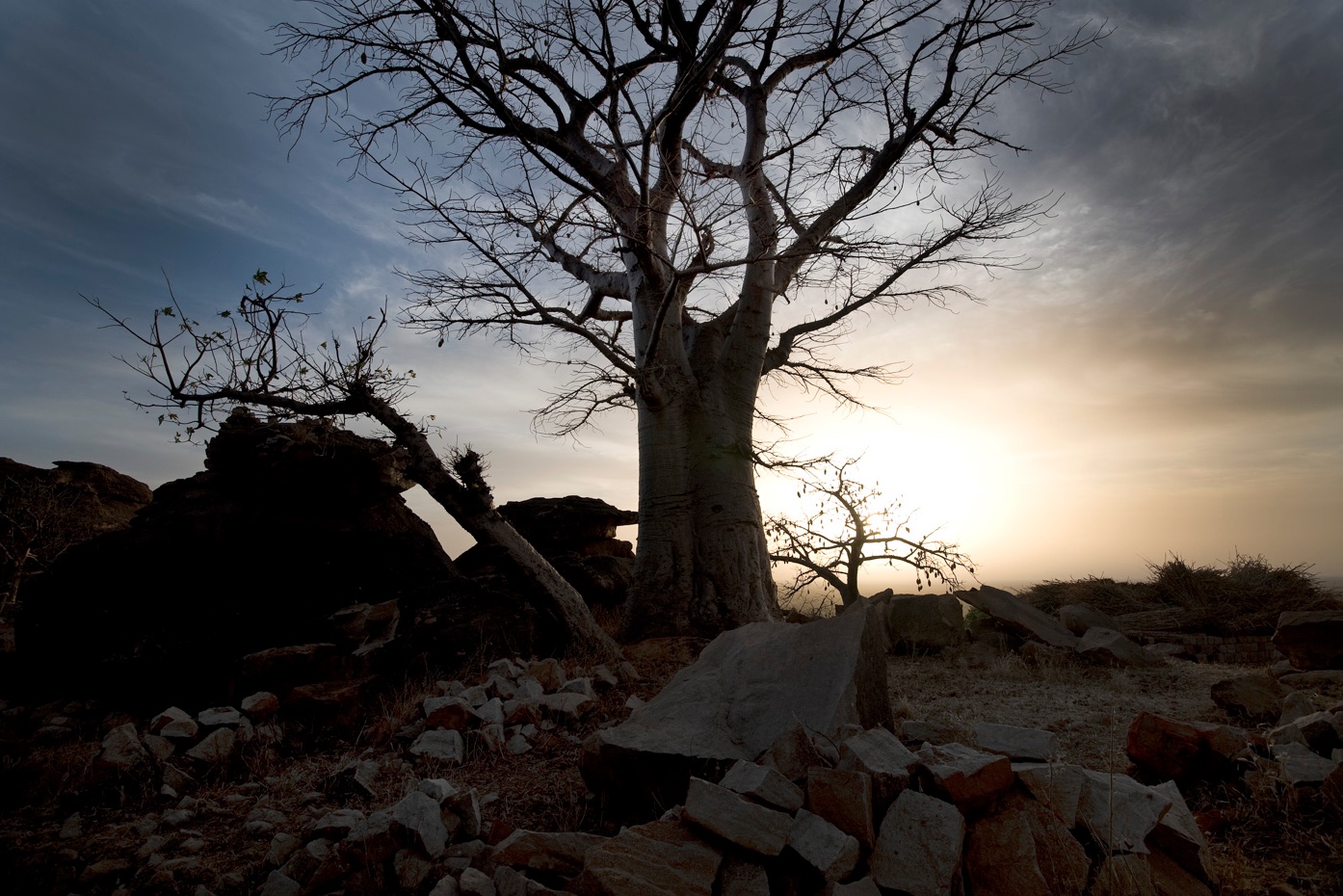
This photographic series illustrates the richness of the culture and the beauty of the site where the Dogons have lived for more than ten centuries.
Hardly affected by global tourism due to the resurgence of jihadist activities in Mali, this relatively protected civilization, as well as the site that shelters it, reflect, in a no doubt utopian way, an image of original harmony that is relatively exceptional today.
A vibrant space with which photography resonates.