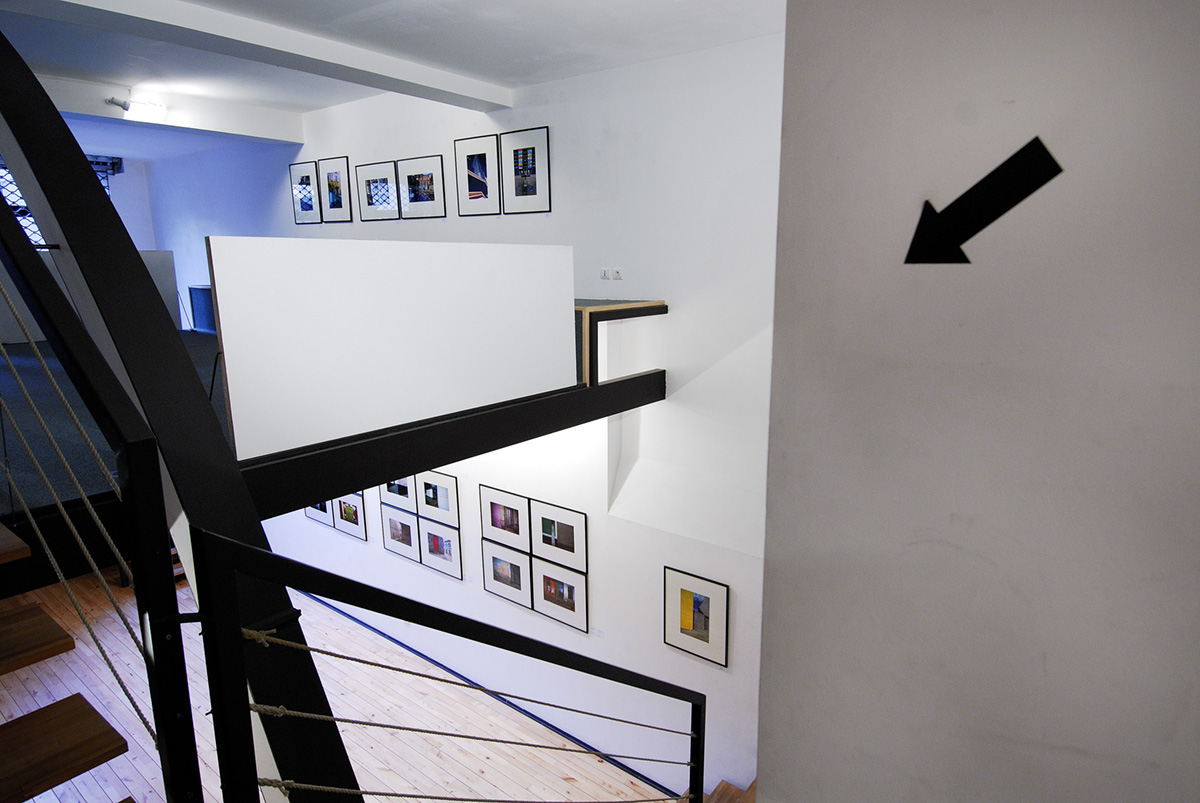
Architecture and photography are bounded by a complex and retroactive link.
In the etymological sense, photography writes with light, whereas "architecture is the skilful, correct and magnificent play of volumes assembled under light" (Le Corbusier).
Architecture participates in the formation of the primitive unconscious of the spatial culture of the individual, in particular of the photographer, and therefore contributes to its perception.
Pierre Bourdieu affirms that “it is commonly agreed to see photography as the model of veracity and objectivity (…); in fact, the photograph fixes an aspect of reality which is never anything but the result of an arbitrary selection, and thereby, of a transcription: among all the qualities of the object, only the visual qualities which are given in the moment and from a single point of view”.
Photography, distinguishing and composing both the most subjective (the photographer's own genius) and the most objective (recording by the photographic lens), is undoubtedly the best able to make us understand how the gaze is constructed, this hyphen between the subject and the object.
Reality cannot be reduced either to the objective real sense, or to the only subjective representations that we make of it.
Reality is constituted, over time and in terms of space, in a perpetual journey back and forth between the subject and the object: a path which is expressed in culturally and historically typed configurations (Berque)
I am fascinated by the urban landscape.
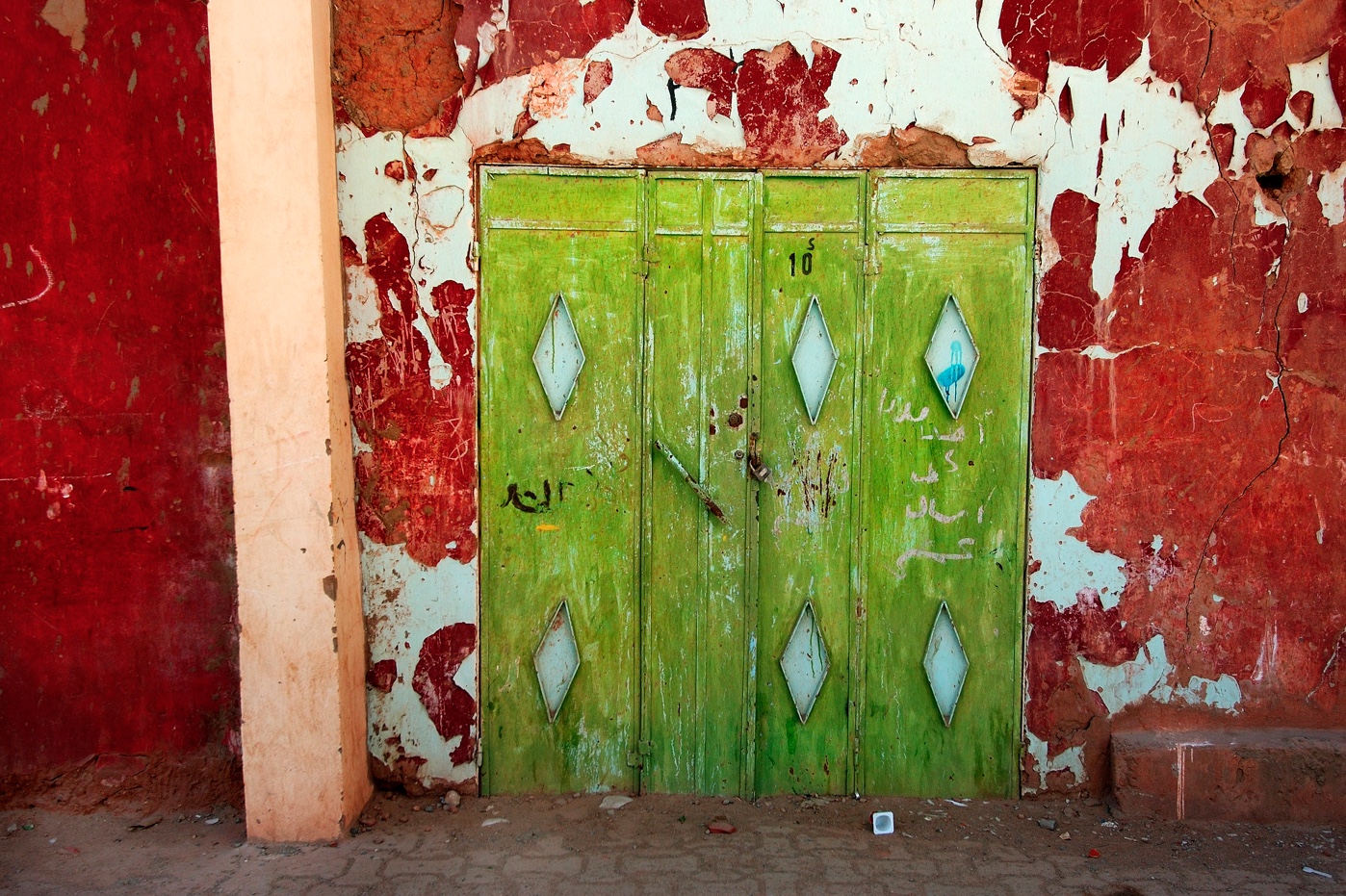
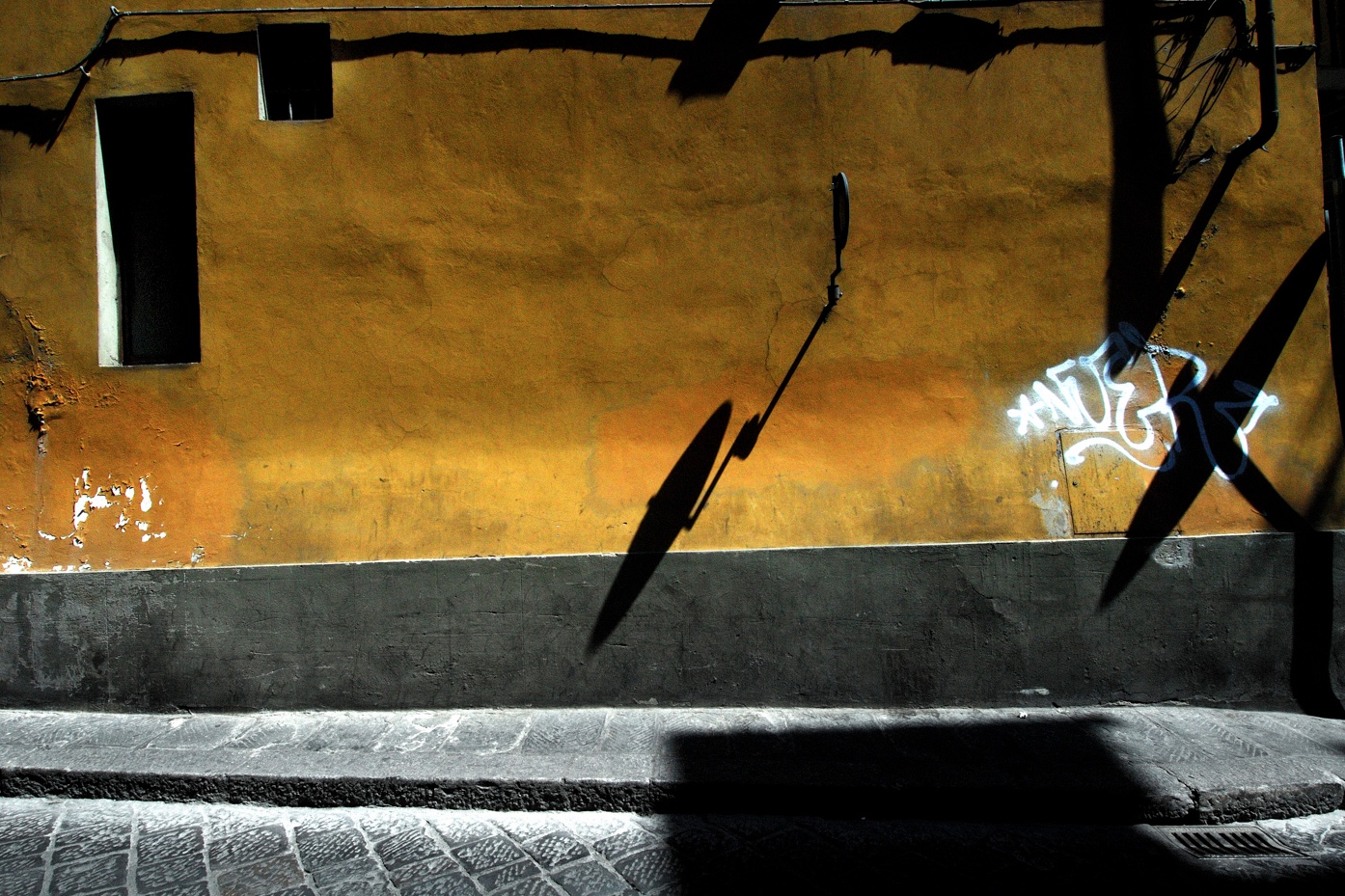
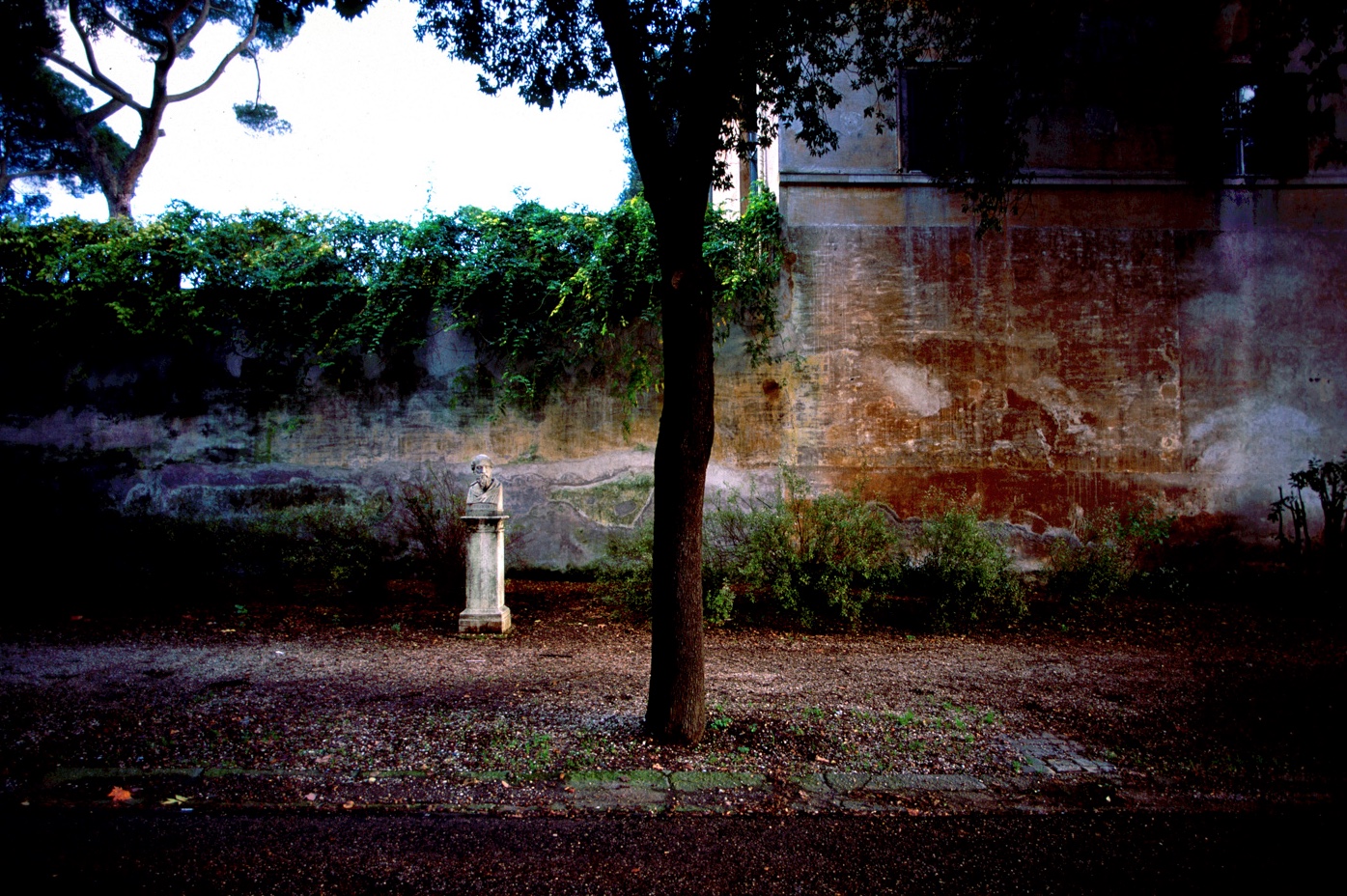
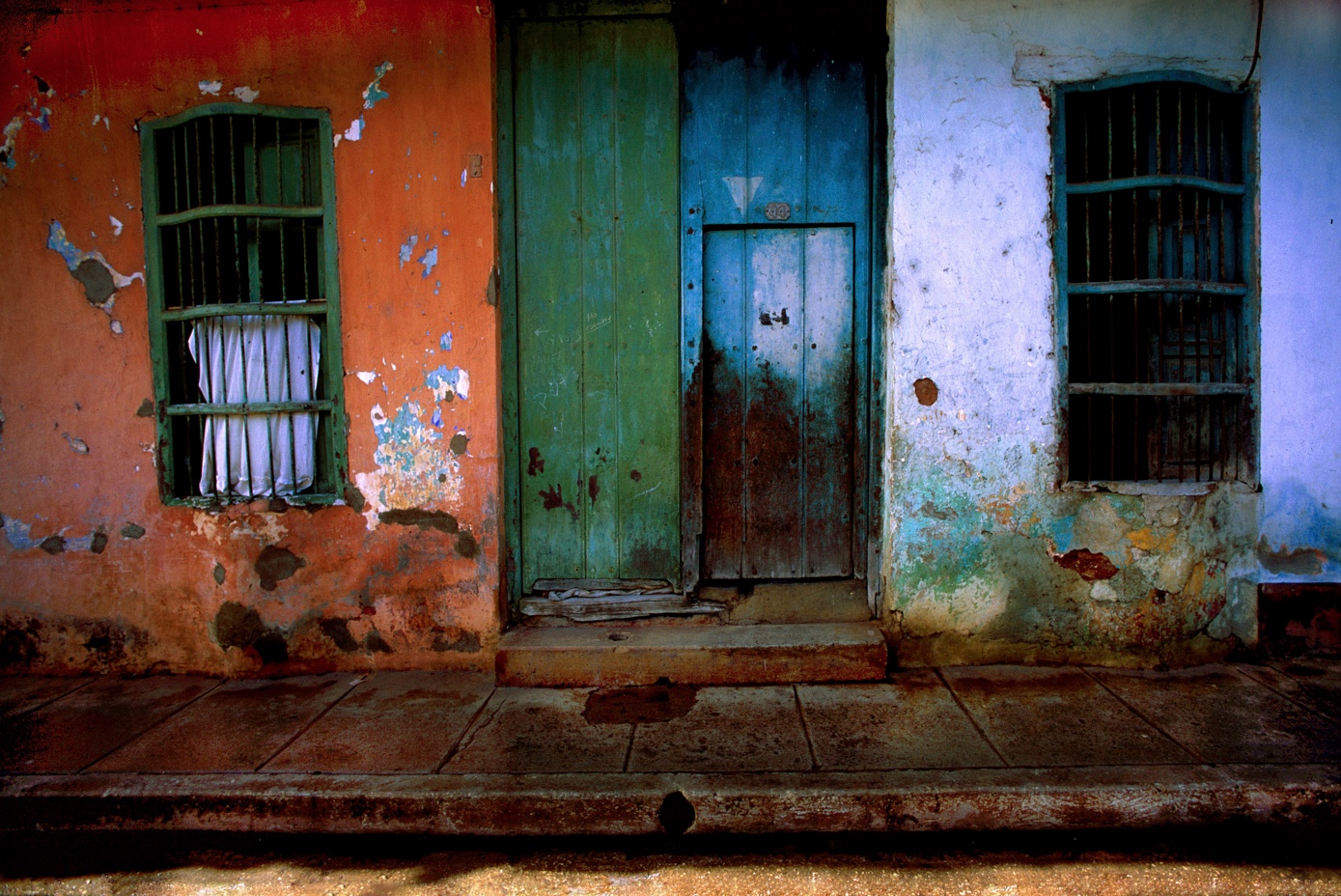
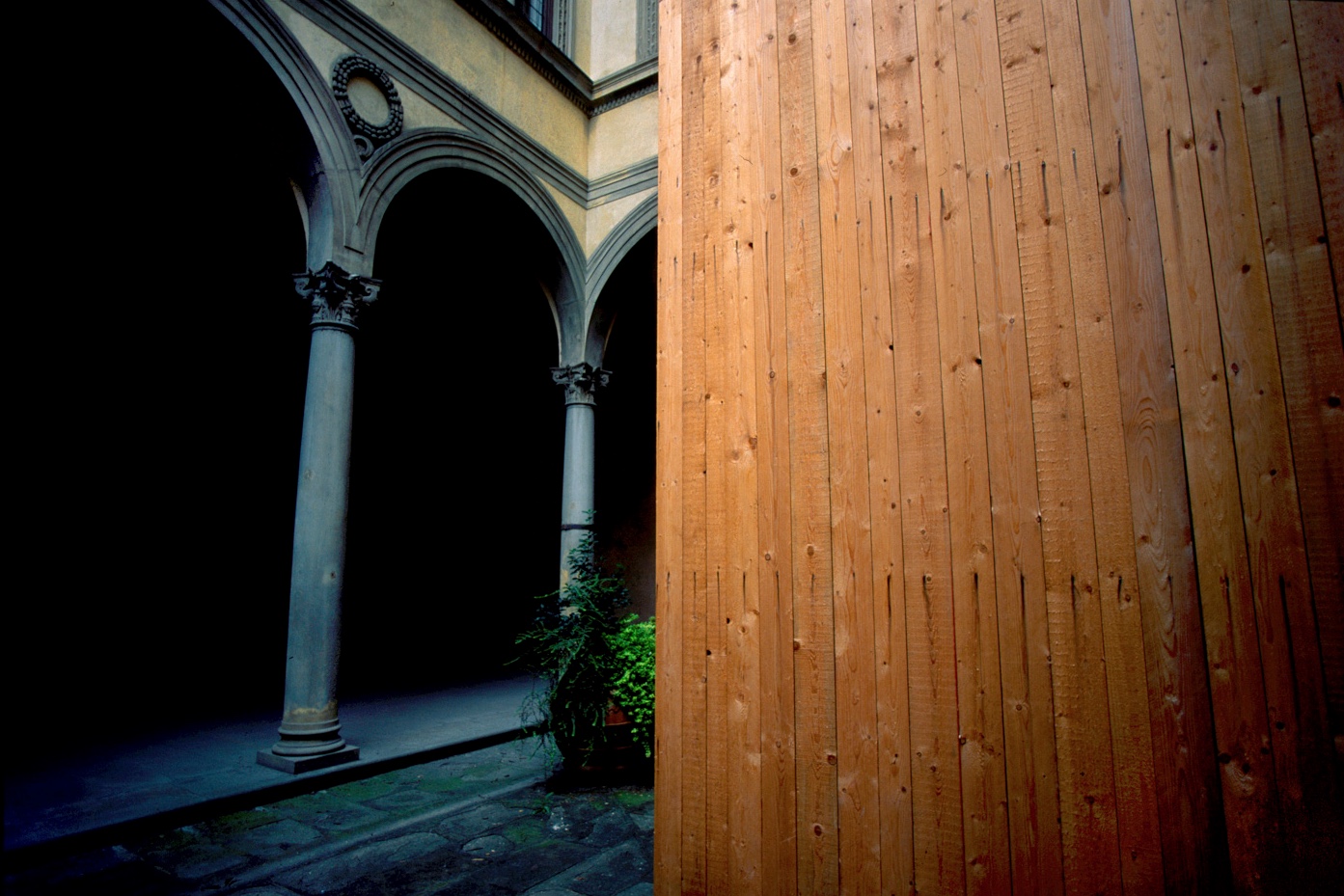
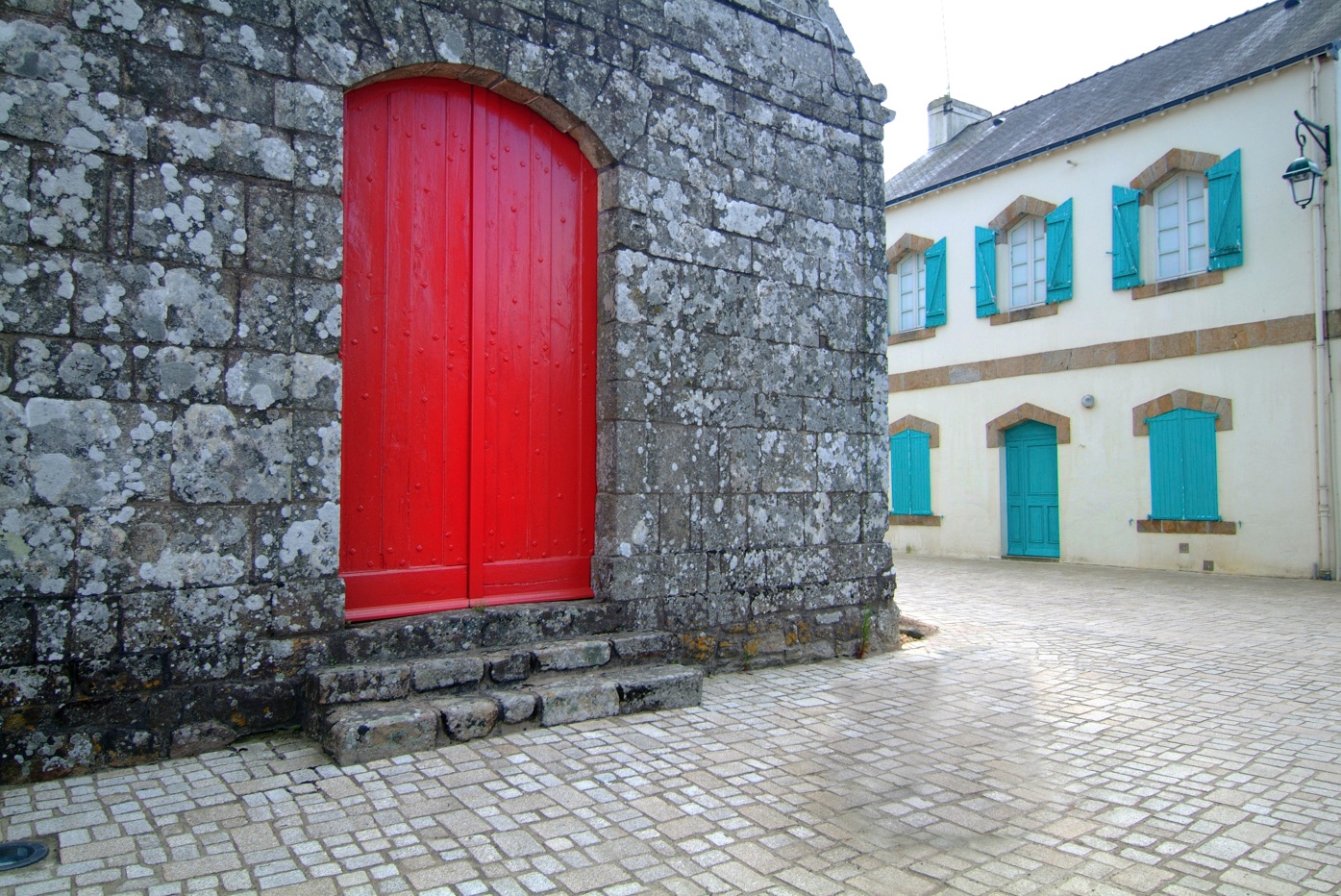
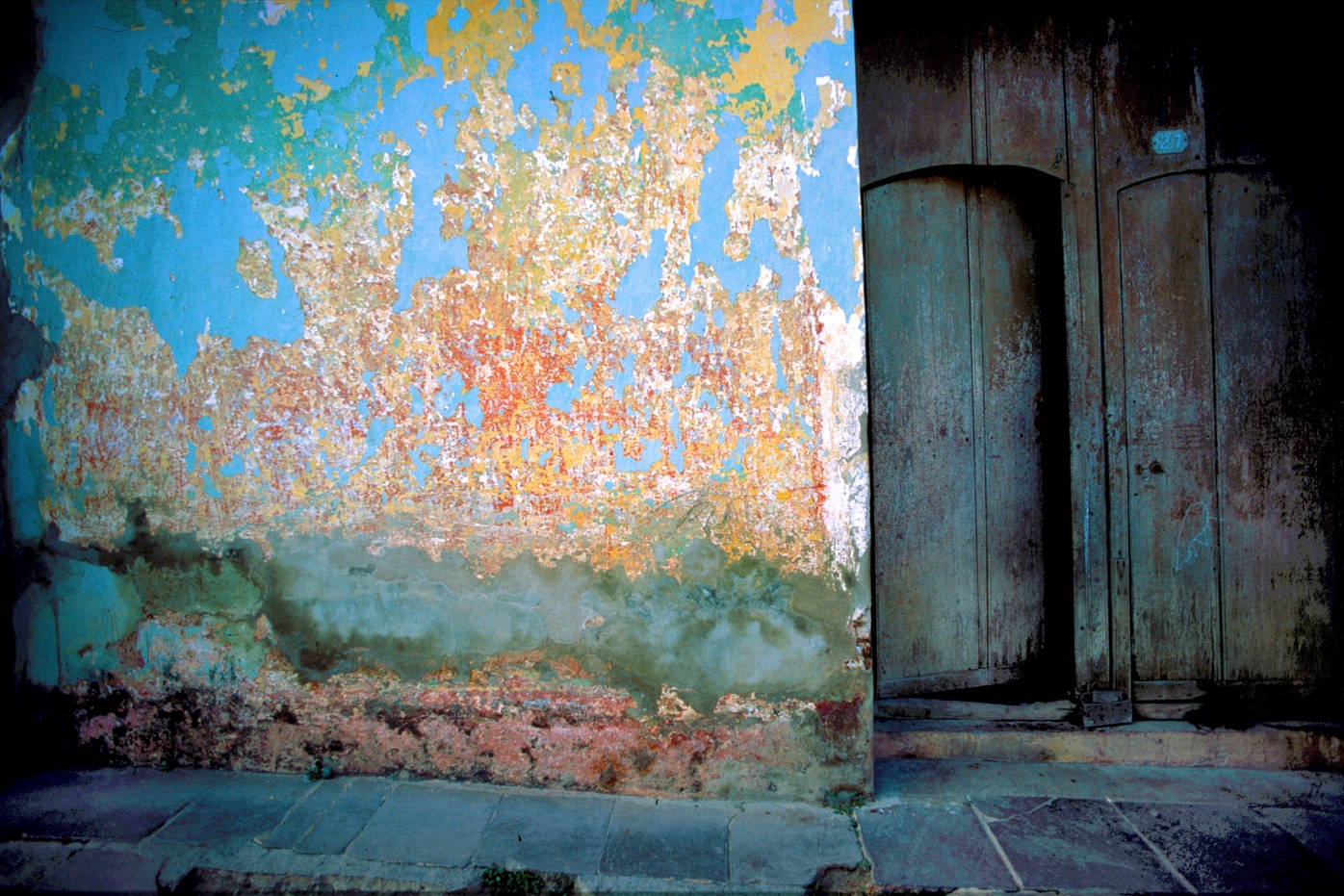
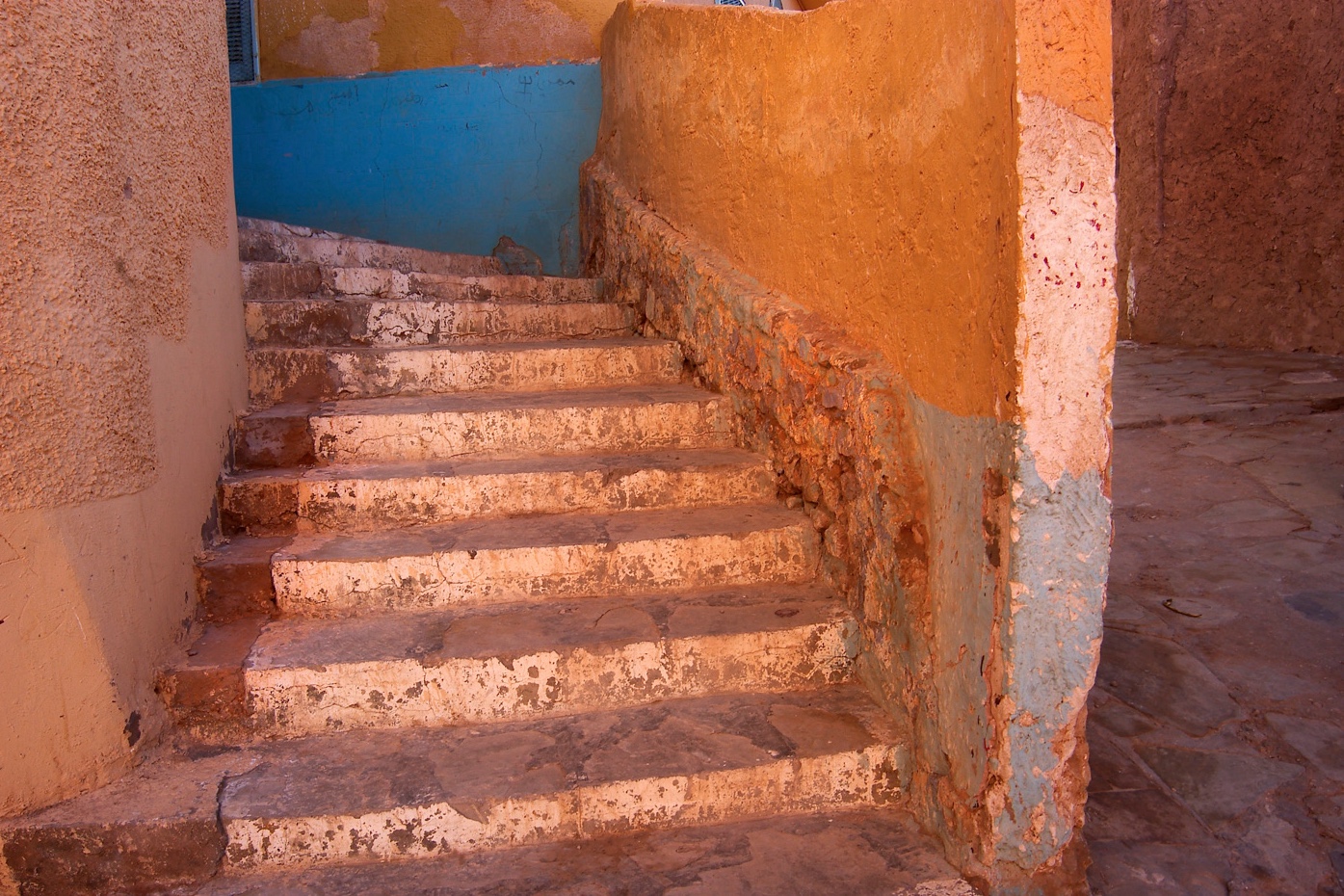
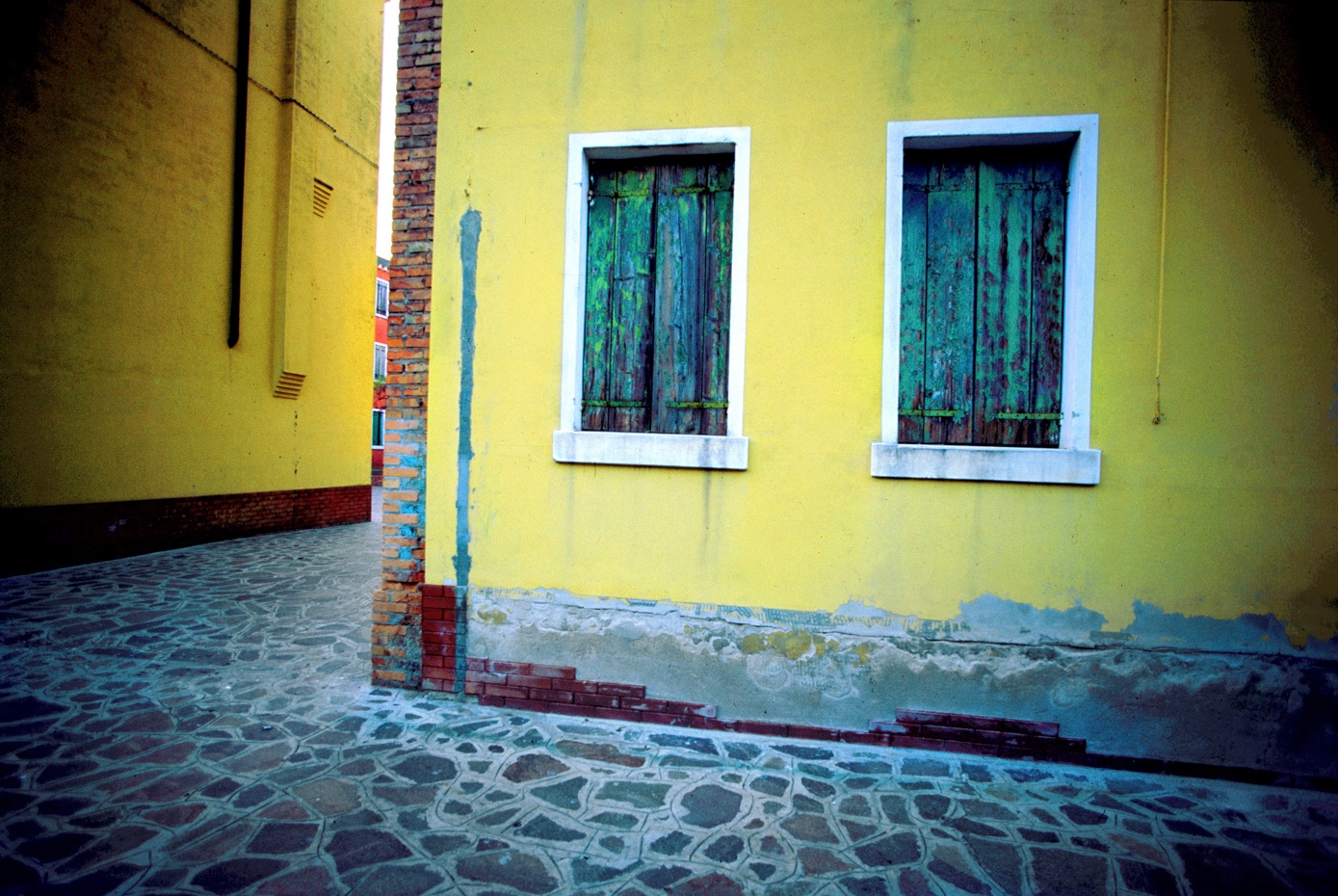
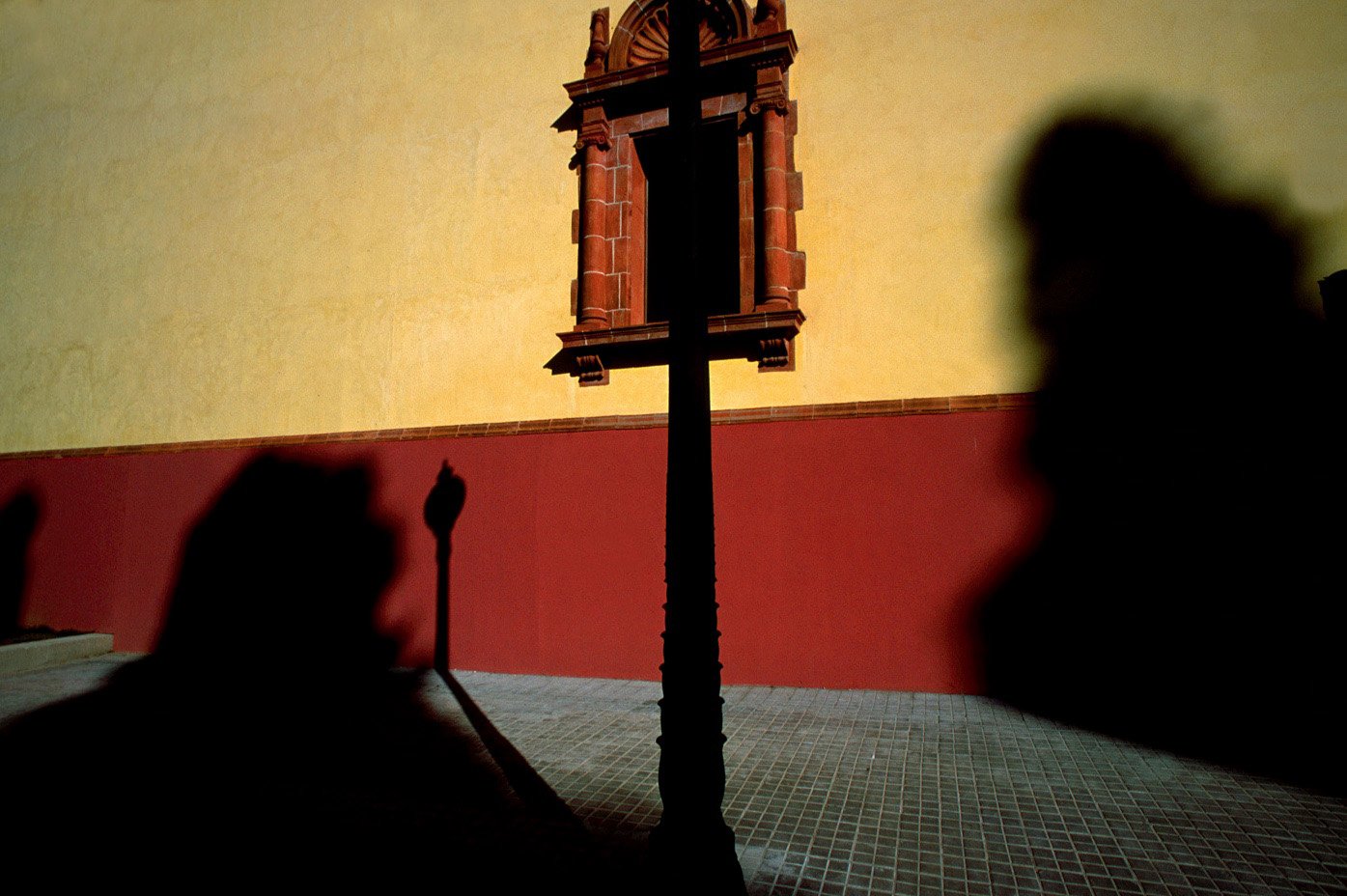
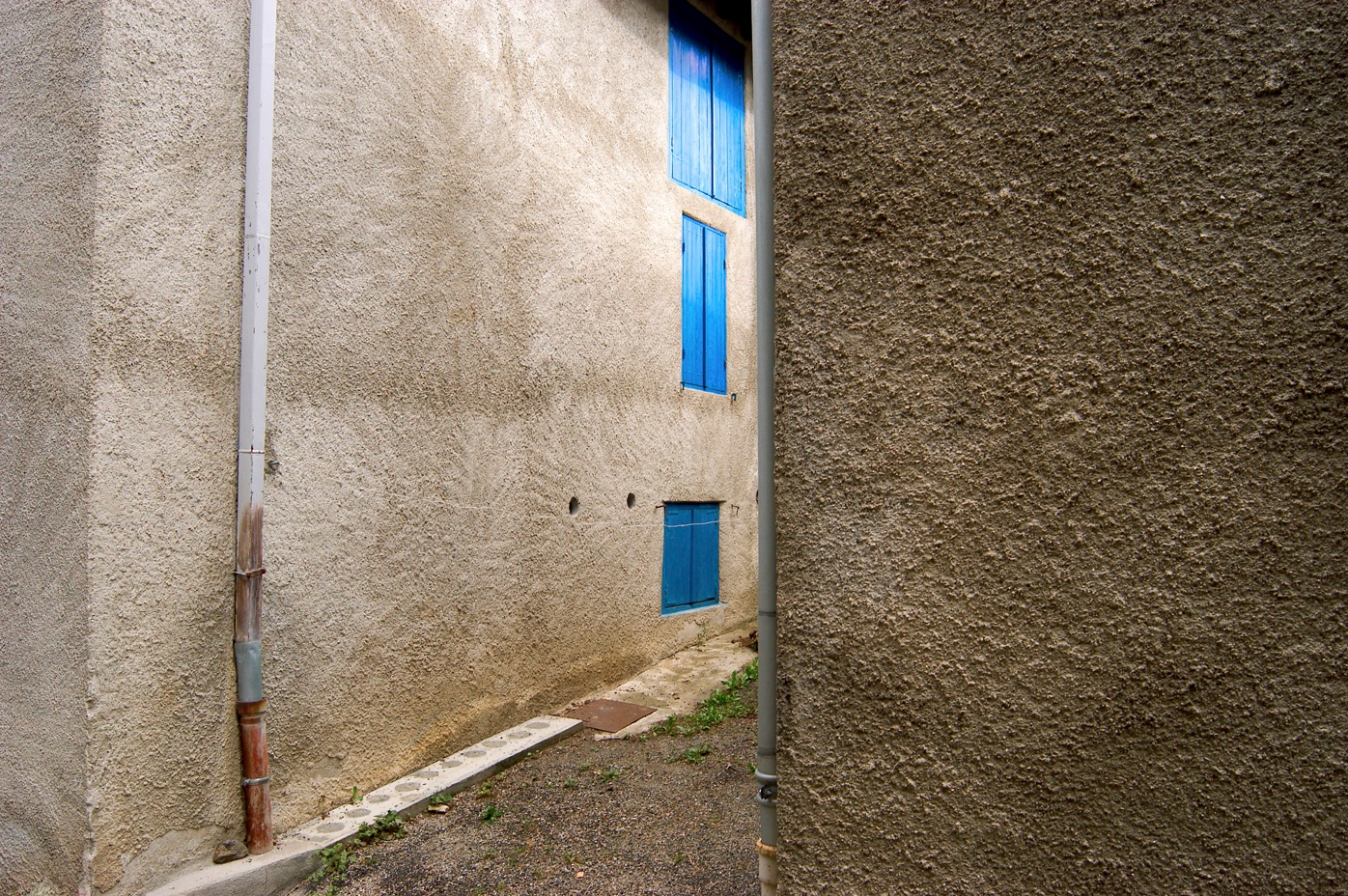
I aspire to a stripped-down expression, both descriptive and abstract, tightening on the minimal components of the play of lines, surfaces, materials, atmospheres, colors and their alliance, to decrypt their structures and models. .
Most of my photos are uninhabited to avoid the anecdotal feature of men.
This cropping, this arbitrary framing (often with off-screen pieces) or re-presentation (a particular presentation from a certain angle, with a certain light…), contributes both to the (re)construction (with interferences and strong retroactions between photographed object and photographer), and to interpretation (the complexity of representations of the physical reality of the world).
This fragmentary vision of the urban totality selected by my gaze can open up a multiplicity of urban landscapes: for the same materiality, several representations are possible.
This contemplative distancing makes it possible to read urban spatial forms in an enlarged temporal dimension: both the result of past urban sedimentation, and the field of possible future urban developments, in a subjectivity of the gaze that constructs the urban landscape
Forms, atmospheres and architectural or urban materials summon imaginations and call for images in which the significance of human symbols pierces
This work thus aims at extracting the imaginary or mythical dimensions of the urban landscape: to open the viewer's eyes through the language of places. It aims to create a city of symbols, making possible another poetic and mystical spatiality (Certeau). Building “the decor of a daily mythology, a space of memory” (Ralph Eugène Meatyard).