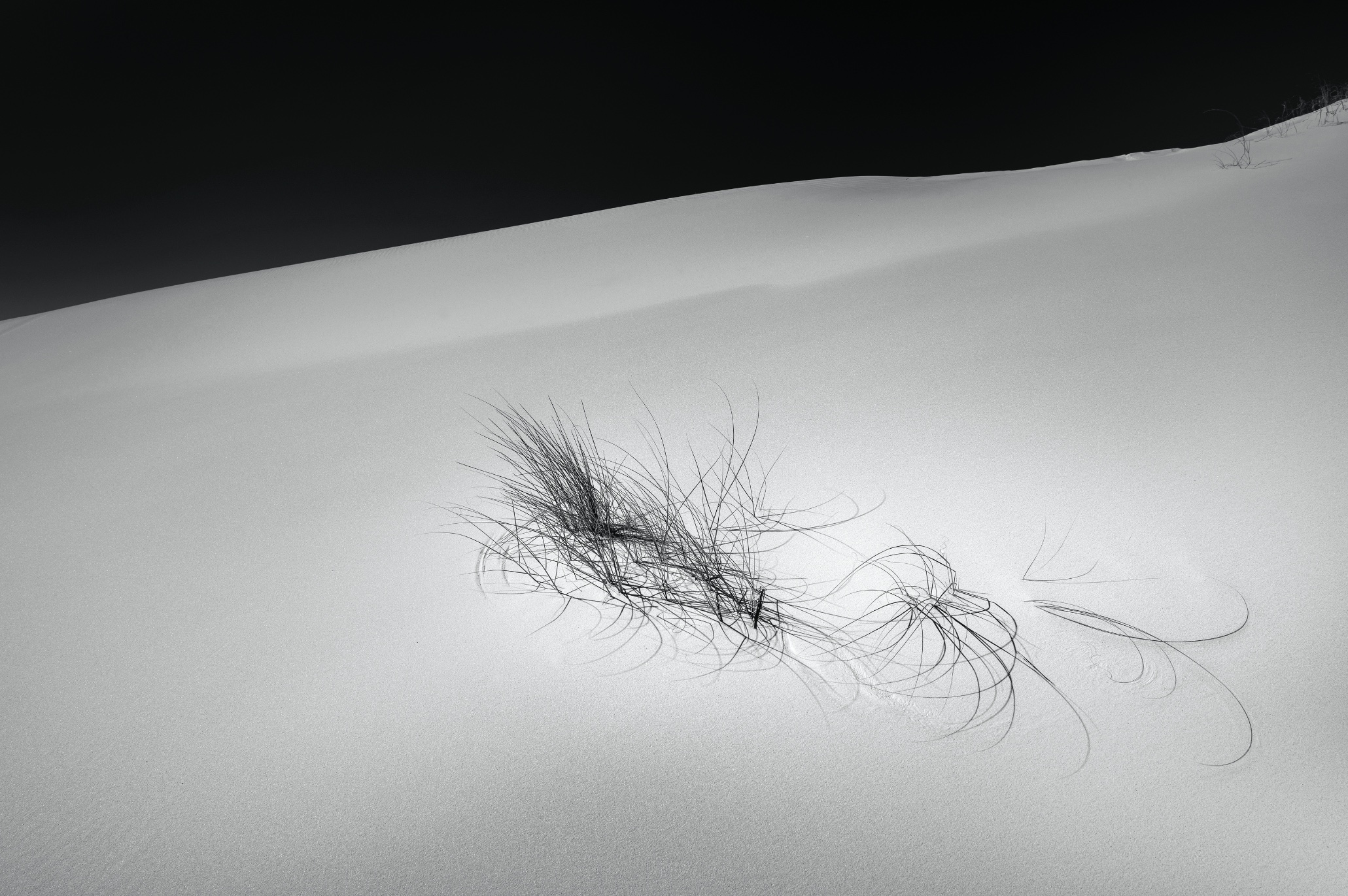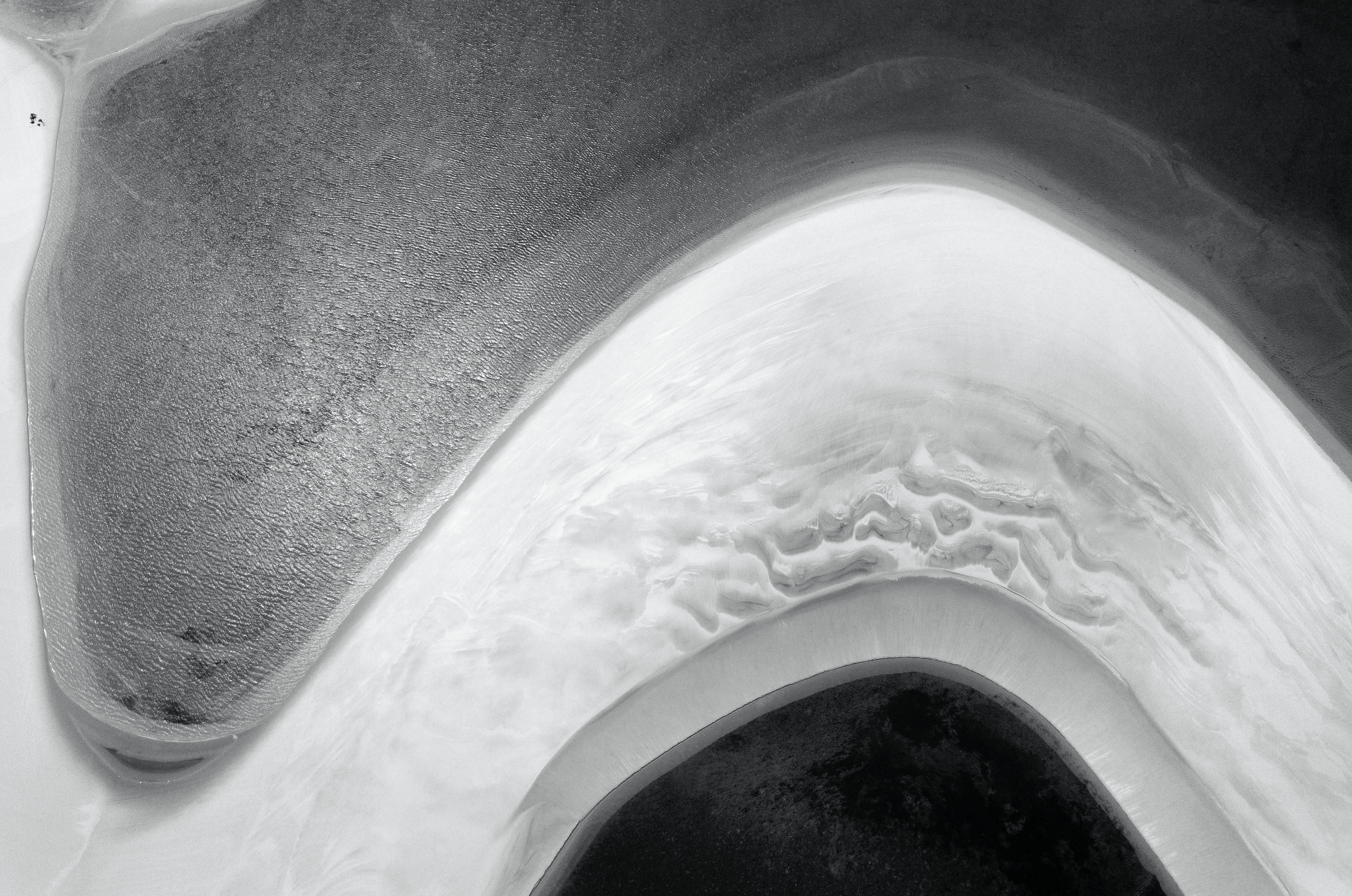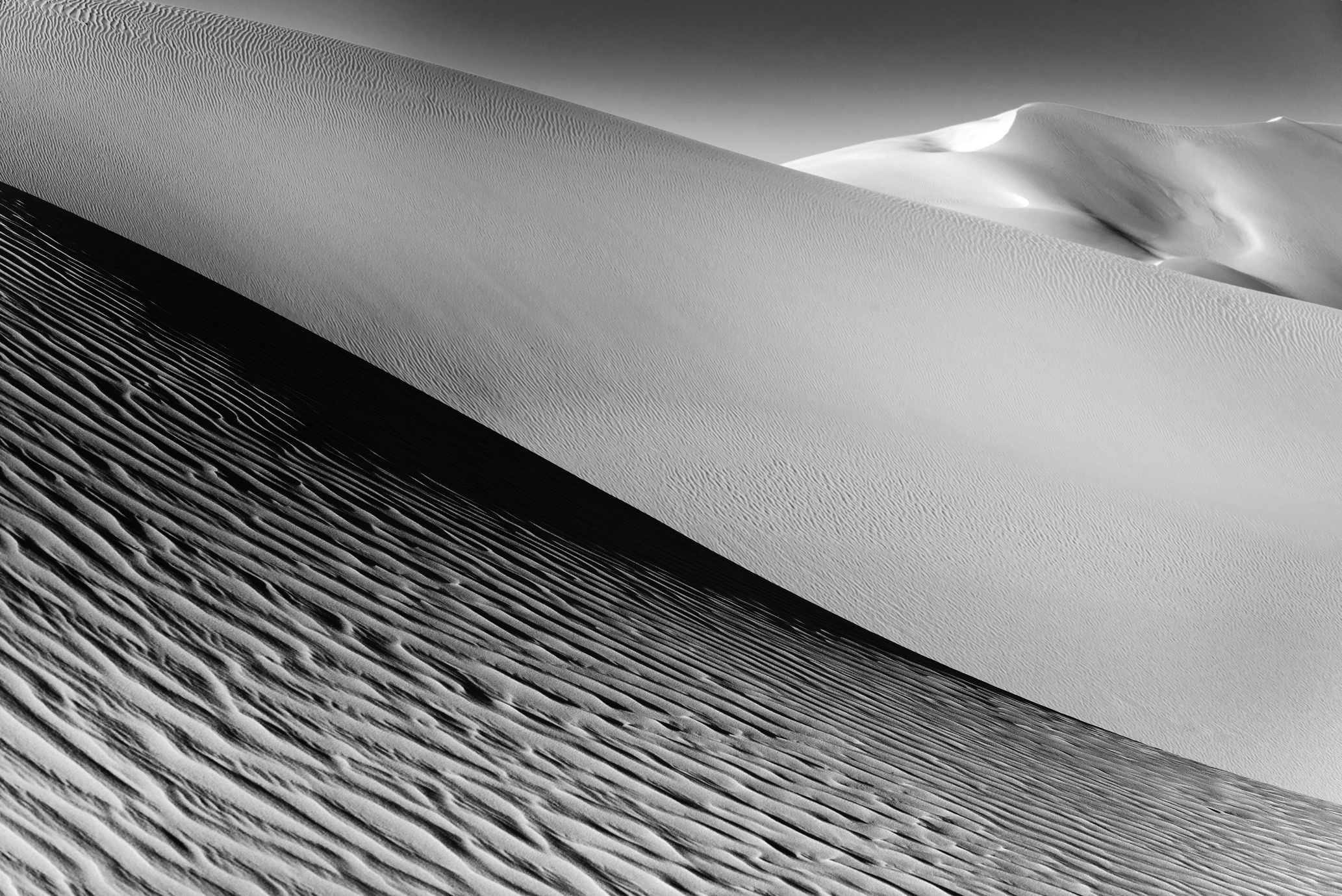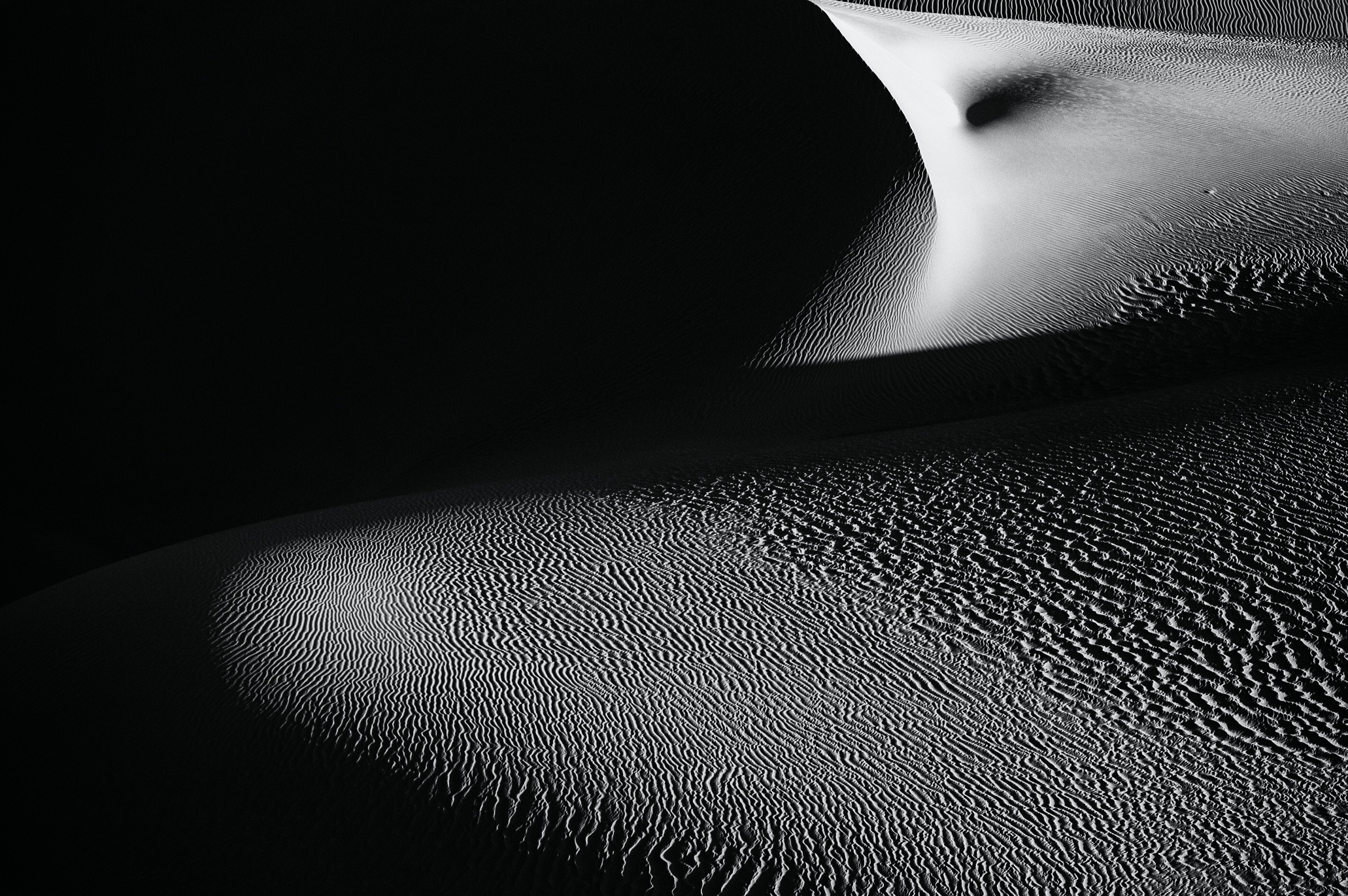
I had the privilege of being able to travel through many deserts in the world. The desert (from Latin desertum which means solitude) is absolute and frightening silence. The only place in the world where you can distinctly hear the beating of your own heart. “The silence of the desert strips you. This way you become yourself; that is to say, nothing. But a nothing that listens” (Edmond Jabès). "To talk about the desert should be to be silent first and to pay homage to it by our silence" (Monod). The desert is for me the best way to lose notions of space and time, to rediscover the virtues of silence and contemplation. I discovered there, places that are both ungrateful and magnificent where primitive civilizations live in total osmosis with their environment, in a total economy of resources. They have nothing, they give everything.
The man cannot dominate the desert, he must remain humble there: one feels very small there. The desert is a place that has to be earned. The space is infinite, without barriers, without mercy. We cannot be in the performance or the virtuosity. Time stops when you travel through the desert, you have to waste time there. The harshness of nature and its immensity take over man. Paradoxically, a form of confinement is exercised there: the desert where reason is lost because it does not know where to escape. The sand desert, the erg, is the original purity, the mystery of the wind that chases the dunes and gives them the purest lines. The erg is the penholder of the grass which scratches the sand with cabalistic signs. A uniform harmony where only ghosts and wind seem to have passed. The desert is absolute freedom, without limits, without barriers, the country of absolute detachment, the essence of life. With each step on this ocean of dunes, we get closer to self-knowledge, we learn to tame the infinite. Paradoxically, our footprints in the sand have already disappeared.
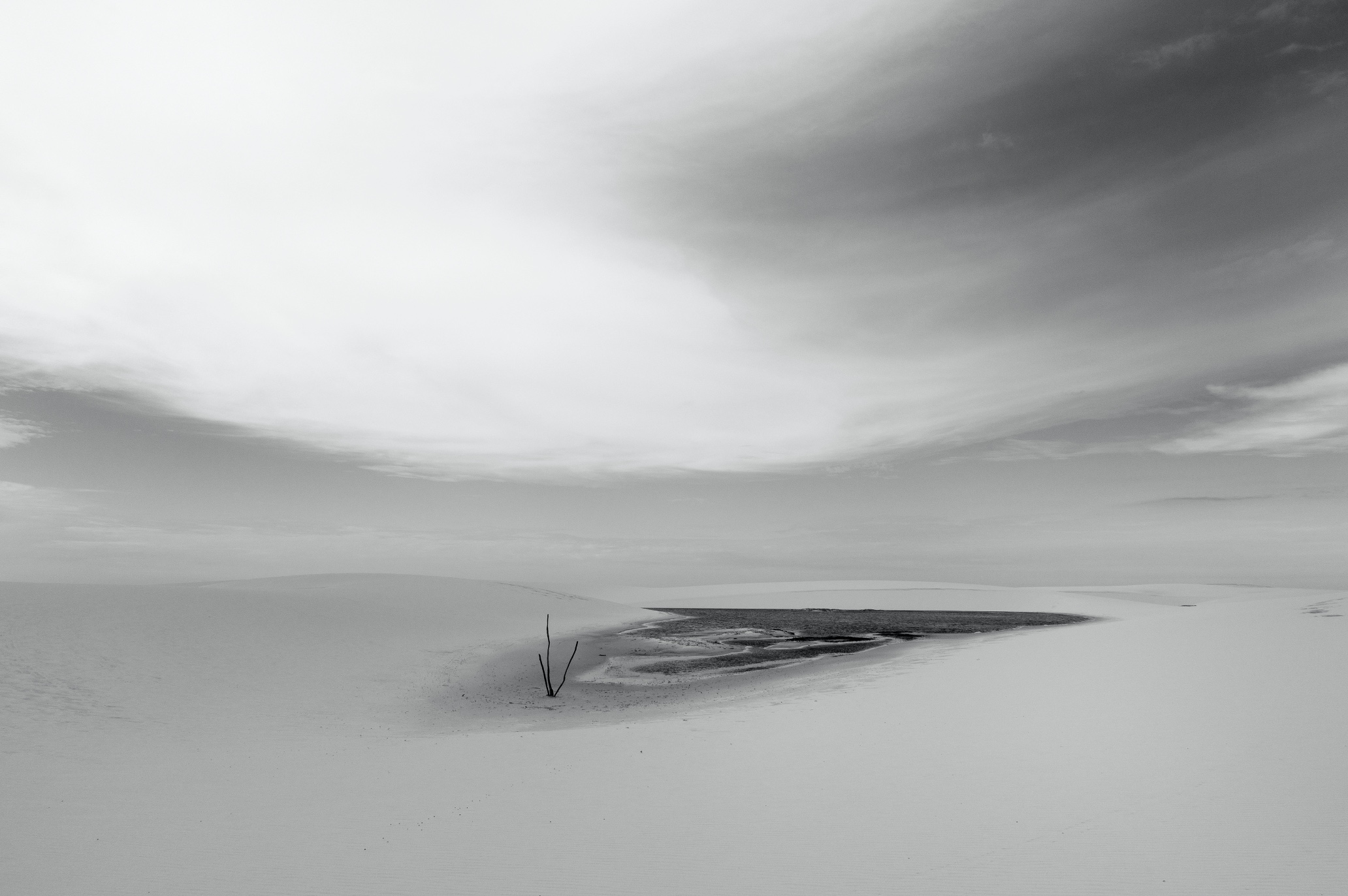
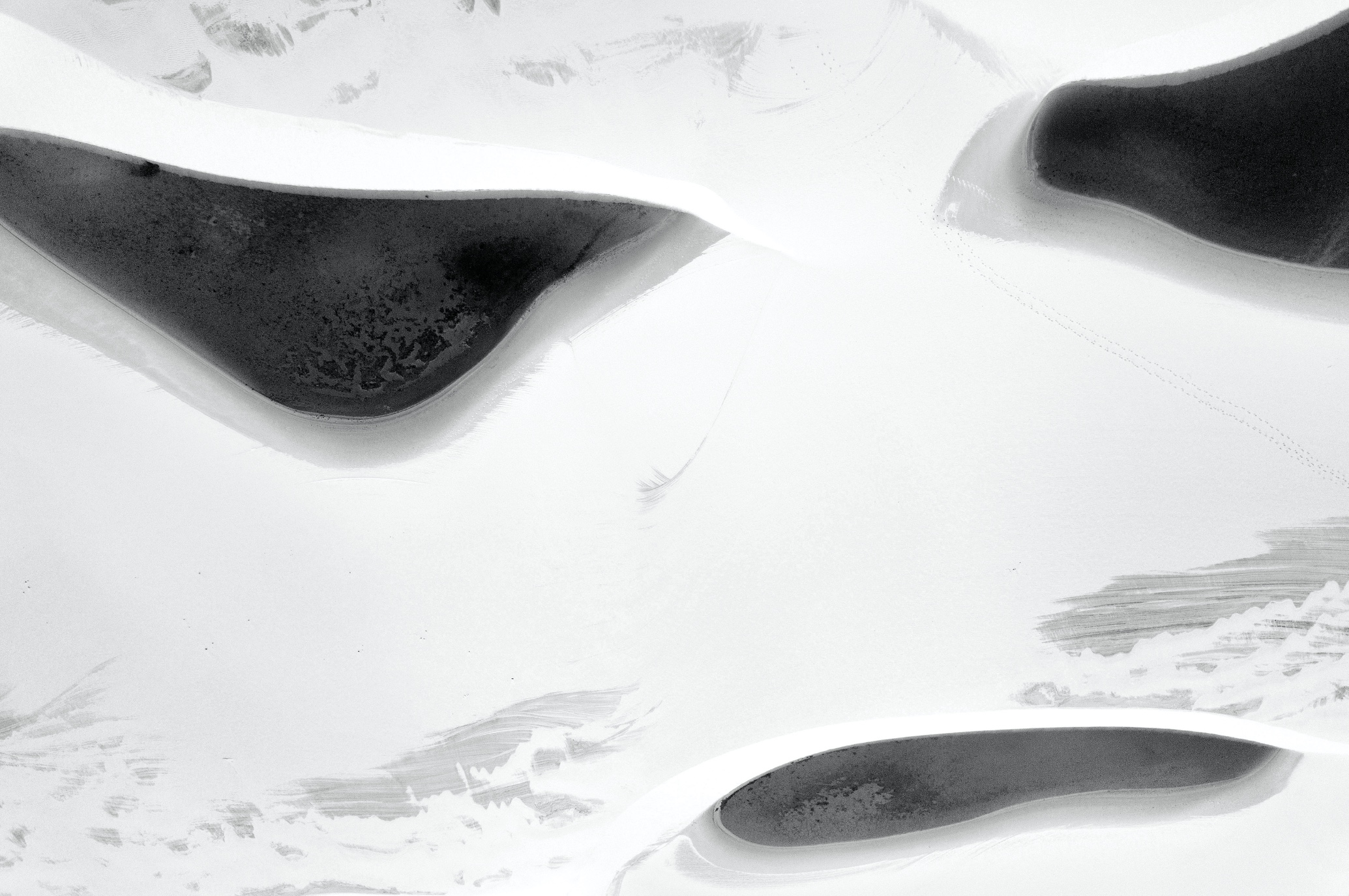
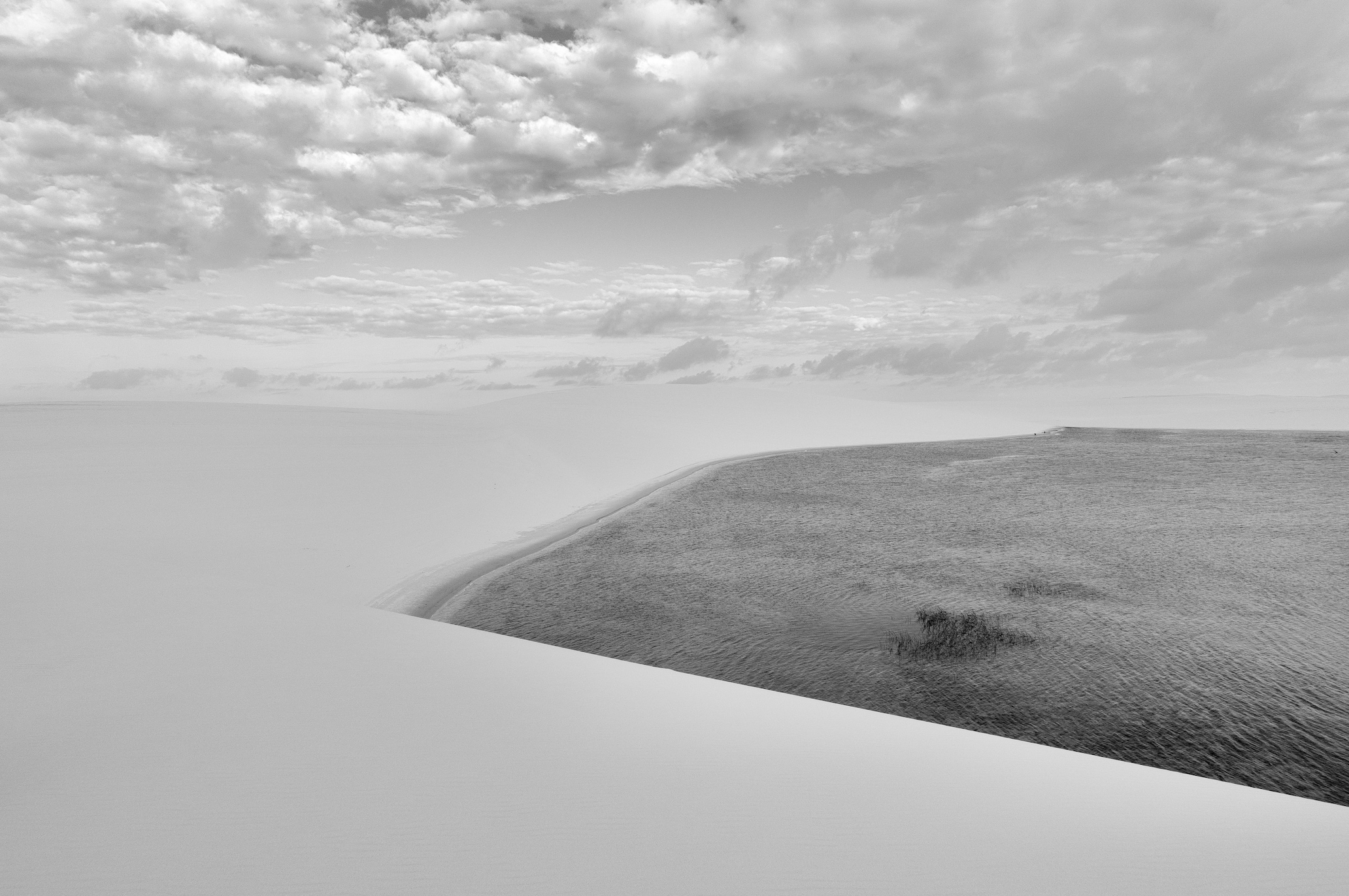
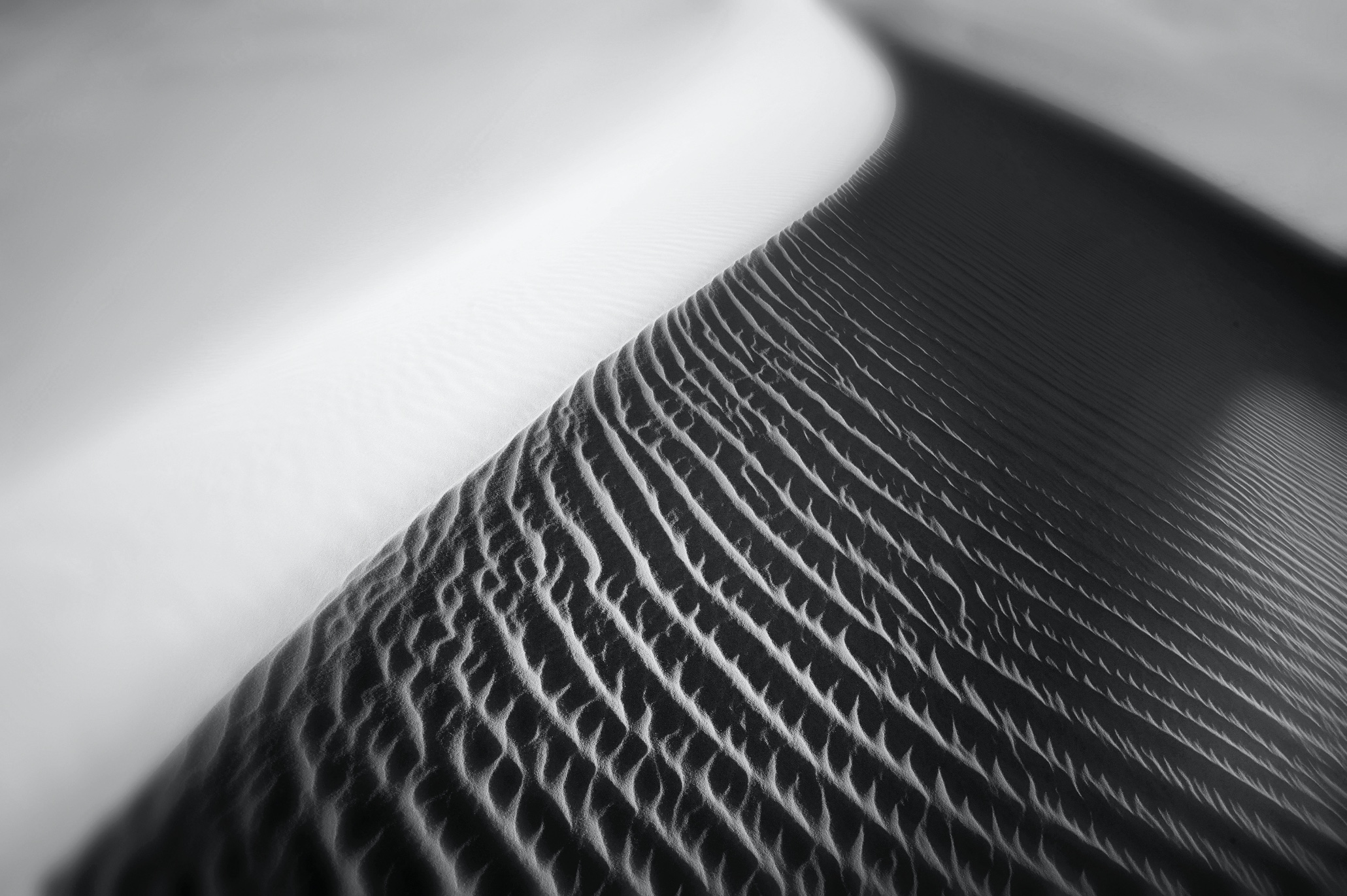
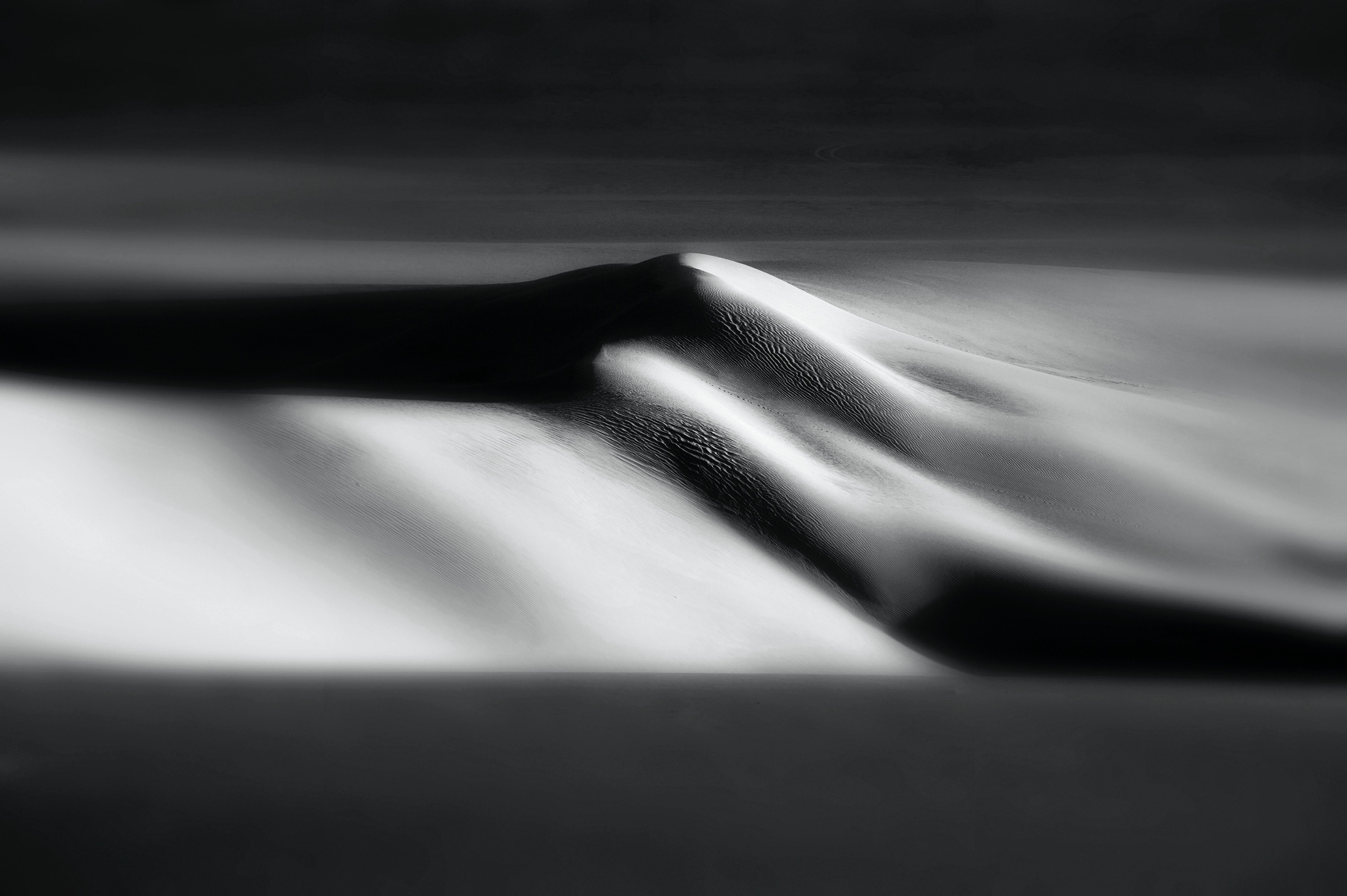
This series illustrates my fascination for the formal beauty of traces on the sand, of footsteps… Everything is fragile, ephemeral, like life. The sumptuous evanescent dunes of the erg, marry capricious shapes, the half-moon, the straight line, the star, the dome, or the parabola, which call on the photographer to an intransigent work of composition. On a smaller scale, I am fascinated by the scratches and cabalistic signs left by the wind or by gravity, but also by man, by animals or by plants.
The sand is a paradoxical material, both fluid and solid, both twirling and heavy, both static and dynamic. The impressions recorded there, footprints or wavy lines, take on a hieroglyphic appearance: visual reminders of the complex journeys that occur there. The sand is the trace of the journey.
I chose to work in black and white for this series, to respect both the pure graphics of the dunes or traces in the sand, and the depth of the blacks of the desert. I work with a digital camera with a wide-angle prime lens, to immerse myself in the landscape, or highlight a foreground, working without a tripod, to gain spontaneity, as well as with a drone in vertical view to address a third dimension.