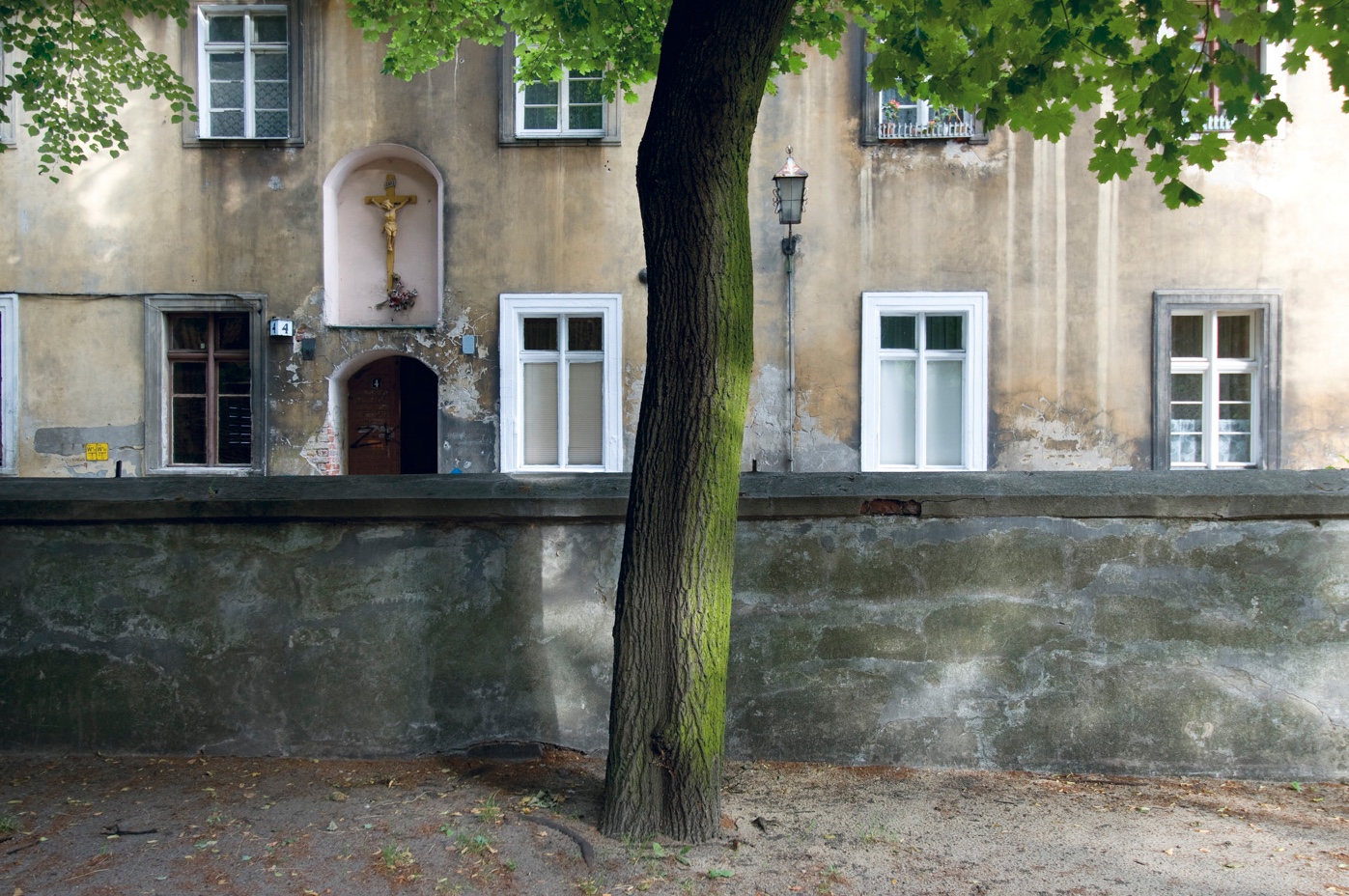
On the initiative of the APOLINA association, Luc Adolphe traveled to Poland in July 2008, invited to cast his professional, artistic and Toulouse-based perspective on Toruń, a town of 250,000 inhabitants located in the Cujavie-Pomerania region.
Toruń is first and foremost a city. Located in the Kuyavian-Pomeranian region in central Poland and on the banks of the Vistula : it is one of the few cities in Poland whose name has been given to a celestial object in the solar system. The asteroid “(12999) Toruń” travels somewhere between the orbits of Mars and Jupiter… Toruń, the birthplace of Copernicus continues the astronomical tradition with its university, an observatory and the world-renowned contemporary astronomers.
The city was born in 1231 thanks to the Teutonic Order who built a castle there in the 13th century, to serve as a base for the conquest and evangelization of Prussia. Today the only vestige of the castle of the Teutonic Knights preserved today in its entirety, is the so-called "gdanisko" tower which once fulfilled the function of latrines. Favored by its position on the banks of the Vistula and by its economic privileges, Toruń had the function of an inland port which saw the passage of goods from Hungary, Flanders, England and other countries. Towards the end of the Middle Ages ten thousand people lived in this rich counter and strategic center of the Teutonic state. The medieval urban space surrounded by fortification walls was made up of Gothic churches, granaries and workshops.
The Renaissance left its mark to the architecture of the city. In Toruń, located in Royal Prussia, the Nordic Renaissance style, resulting from permanent commercial contacts with the Netherlands, dominated. Today Toruń is a small historic trading town which preserves the original configuration of its medieval streets as well as exceptional old brick buildings. This unique layout that associates two cities with a castle, which has remained practically intact, was registered in 1997 on the UNESCO World Heritage List.
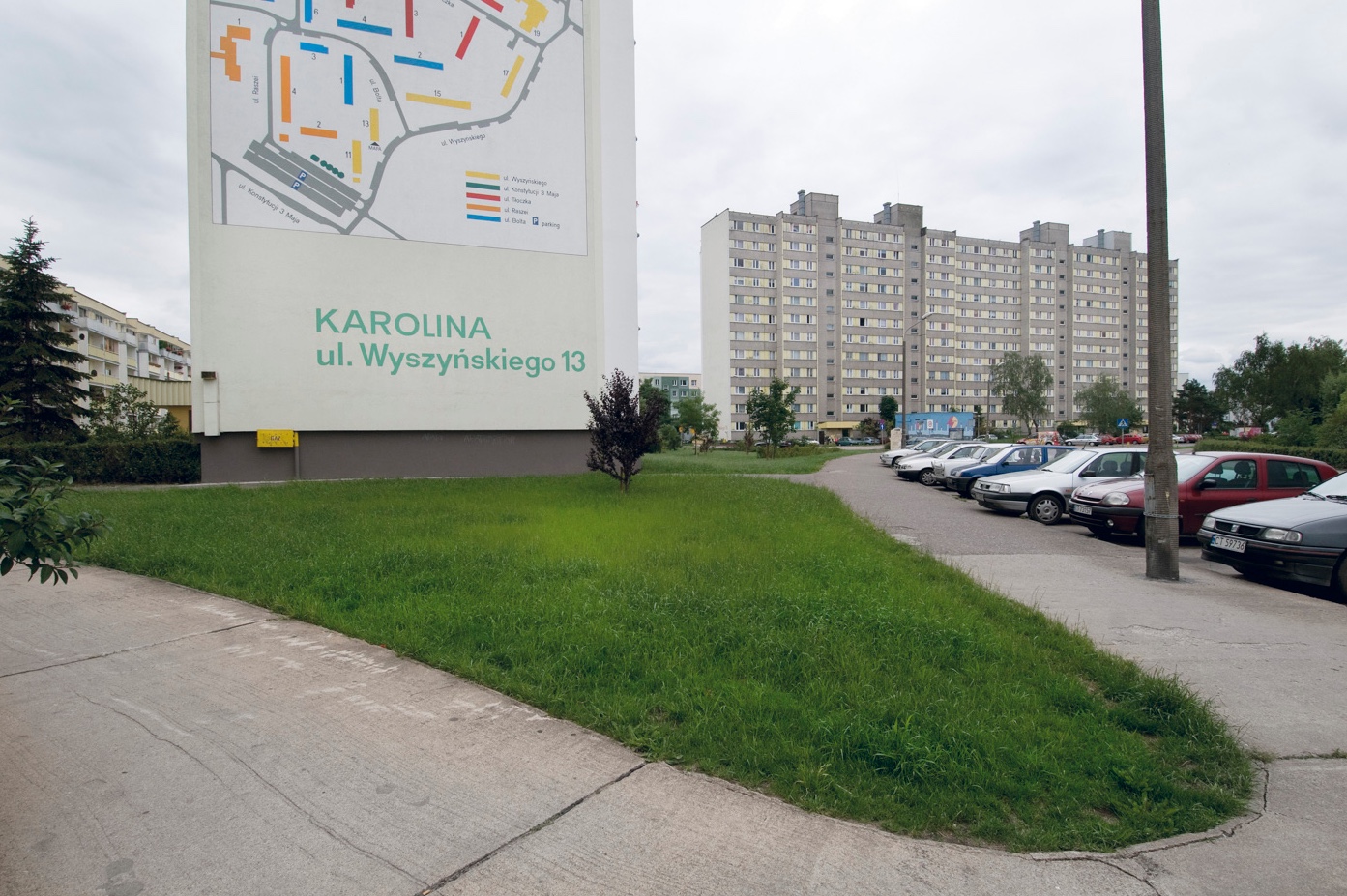
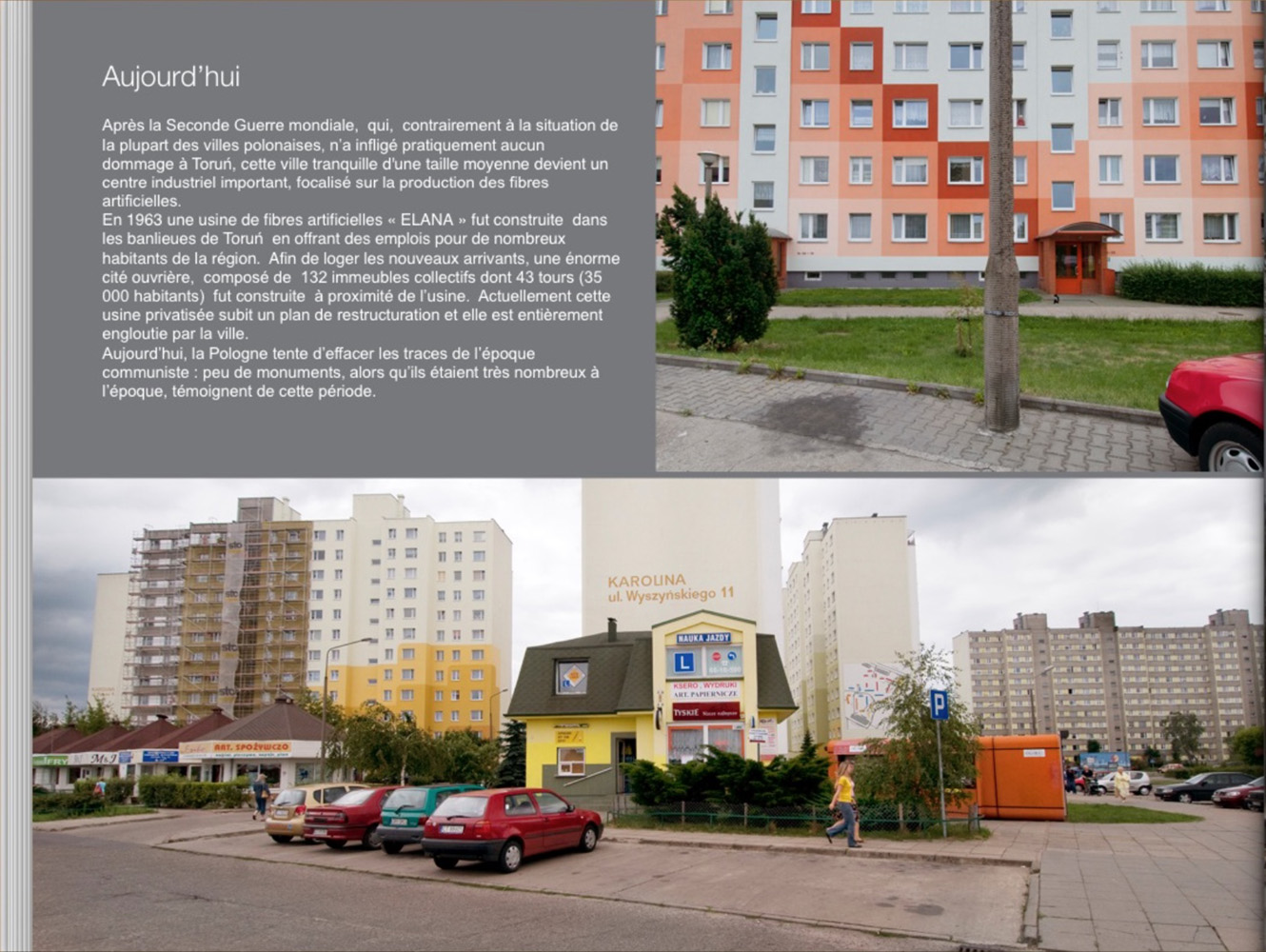
Poland is trying to erase the traces of the communist era: few monuments, while there were many at the time, testify to this period. However, some of these souvenirs are coming back into fashion, such as milk bars, which were very common at the time, or cars popular in Poland in the 1970s from the German brand Trabant or Wartburg. During its production period, the Trabant was the only car in the world to cost more used than new due to waiting times, from ten to fifteen years. In 1989, Poland rejected Marxist socialism in favor of consumer society. Since then, wages have risen dramatically. Economic development is unfortunately accompanied by a dramatic widening of social inequalities.
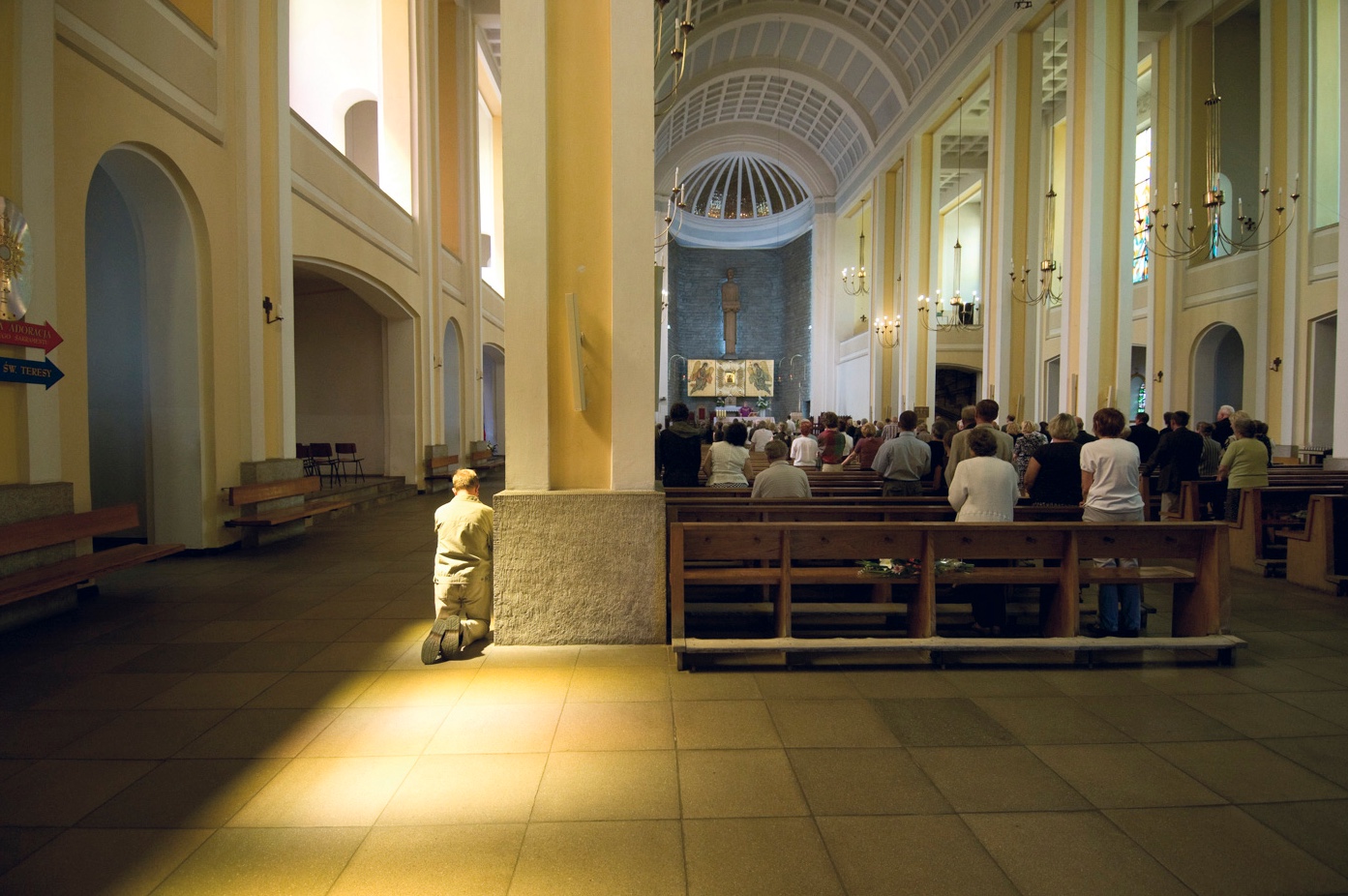
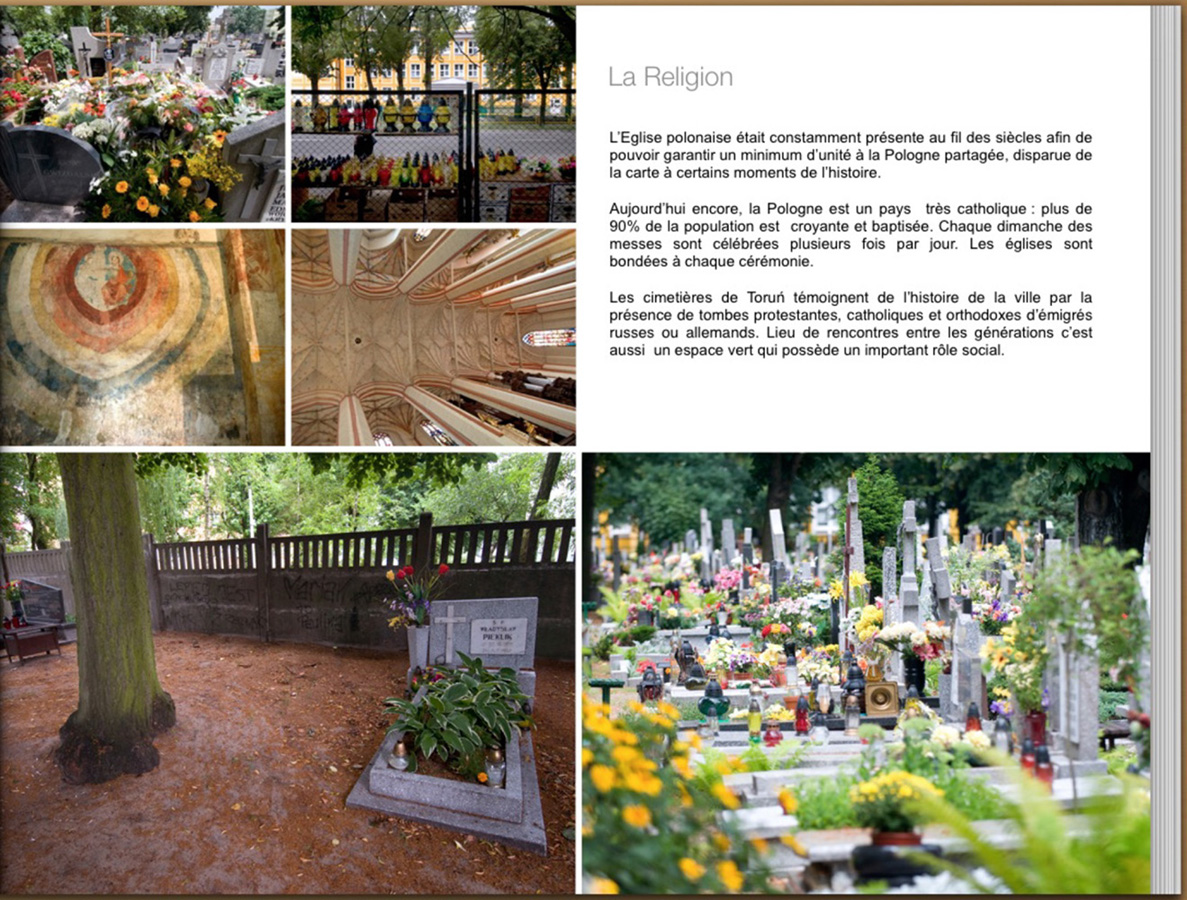
The Polish Church helped constantly over the centuries to guarantee a minimum of unity to the shared Poland, which disappeared from the map at certain times in history. Even today, Poland is a very Catholic country: more than 90% of the population is a believer and baptized. Every Sunday masses are celebrated several times a day. The churches are crowded at each ceremony.
As the earth revolves around the sun, the city of Toruń revolves around Nicolaus Copernicus, author of the heliocentric theory of the universe who was born in this Polish city on February 19, 1473. By his observations and calculations Copernicus inflicted perhaps the greatest narcissistic wound on humanity by demonstrating that the earth was not the center of the universe but revolved around the sun.
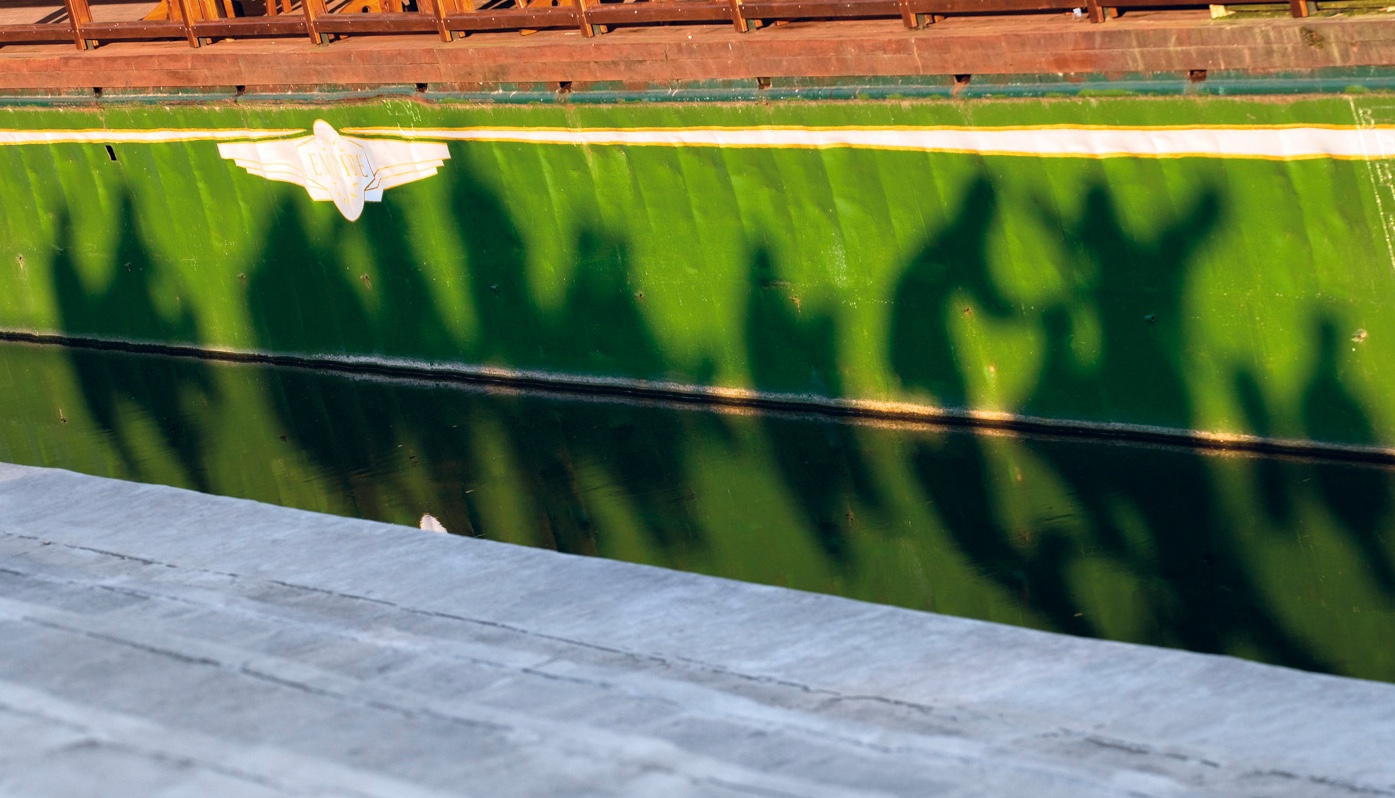
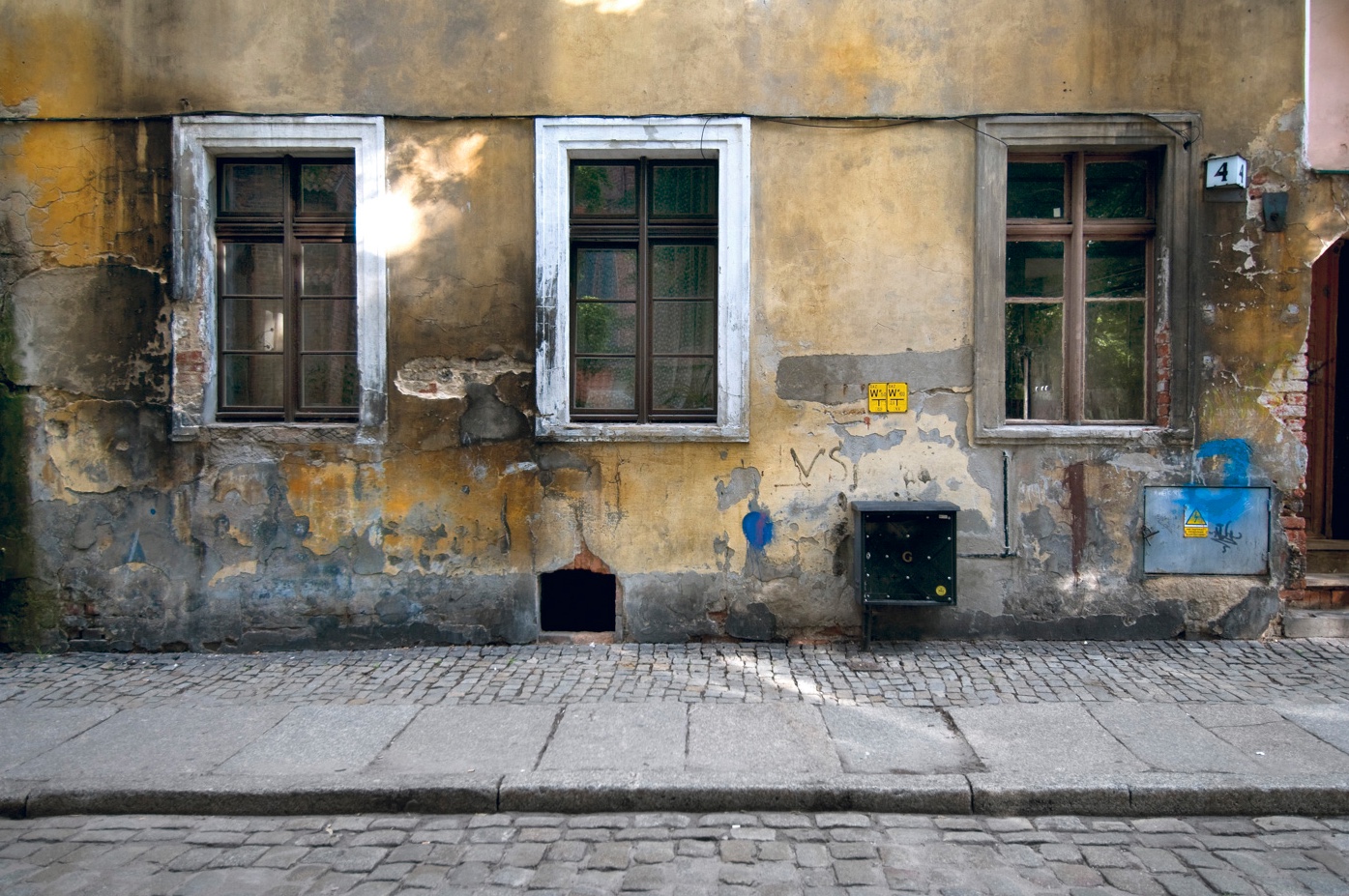
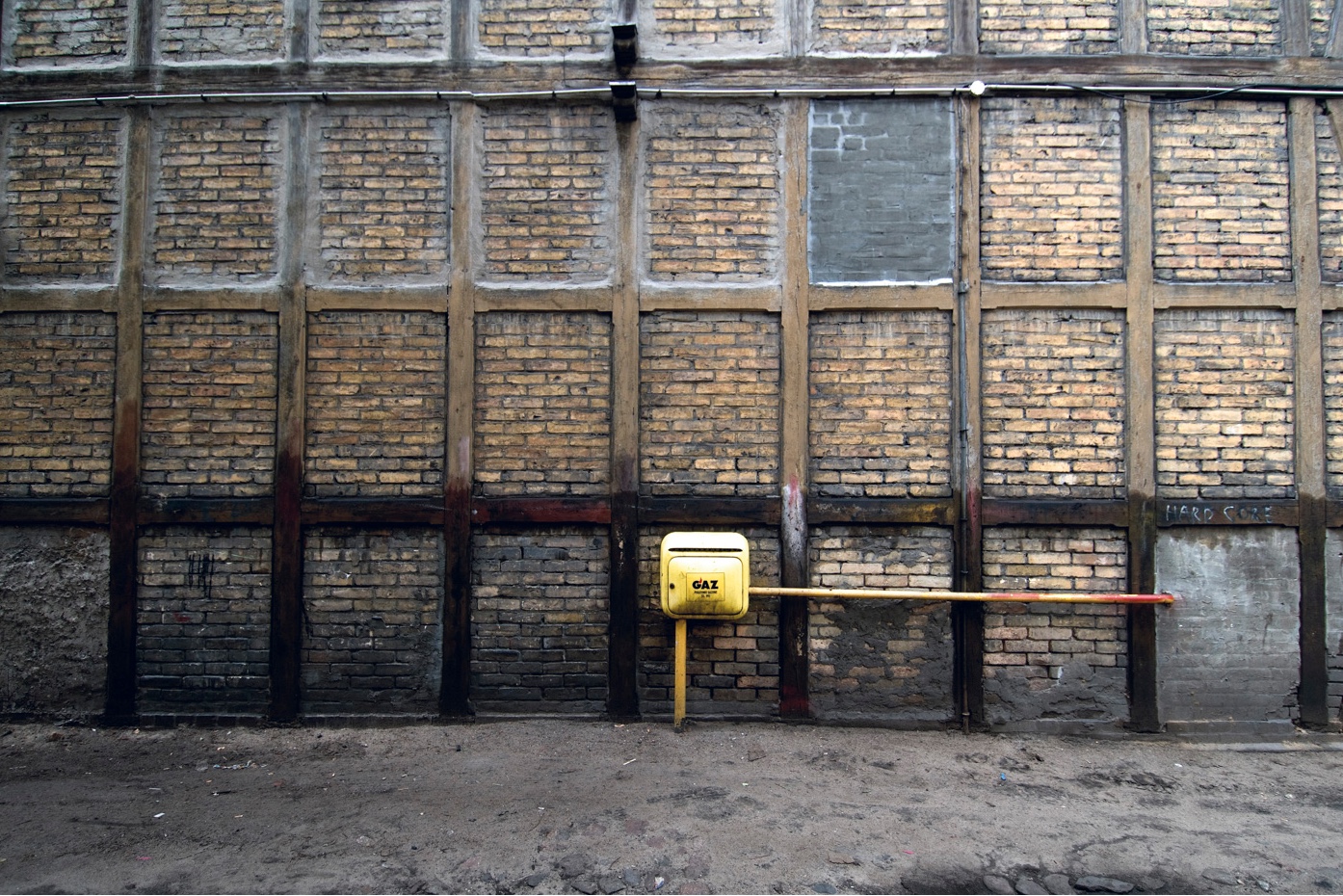
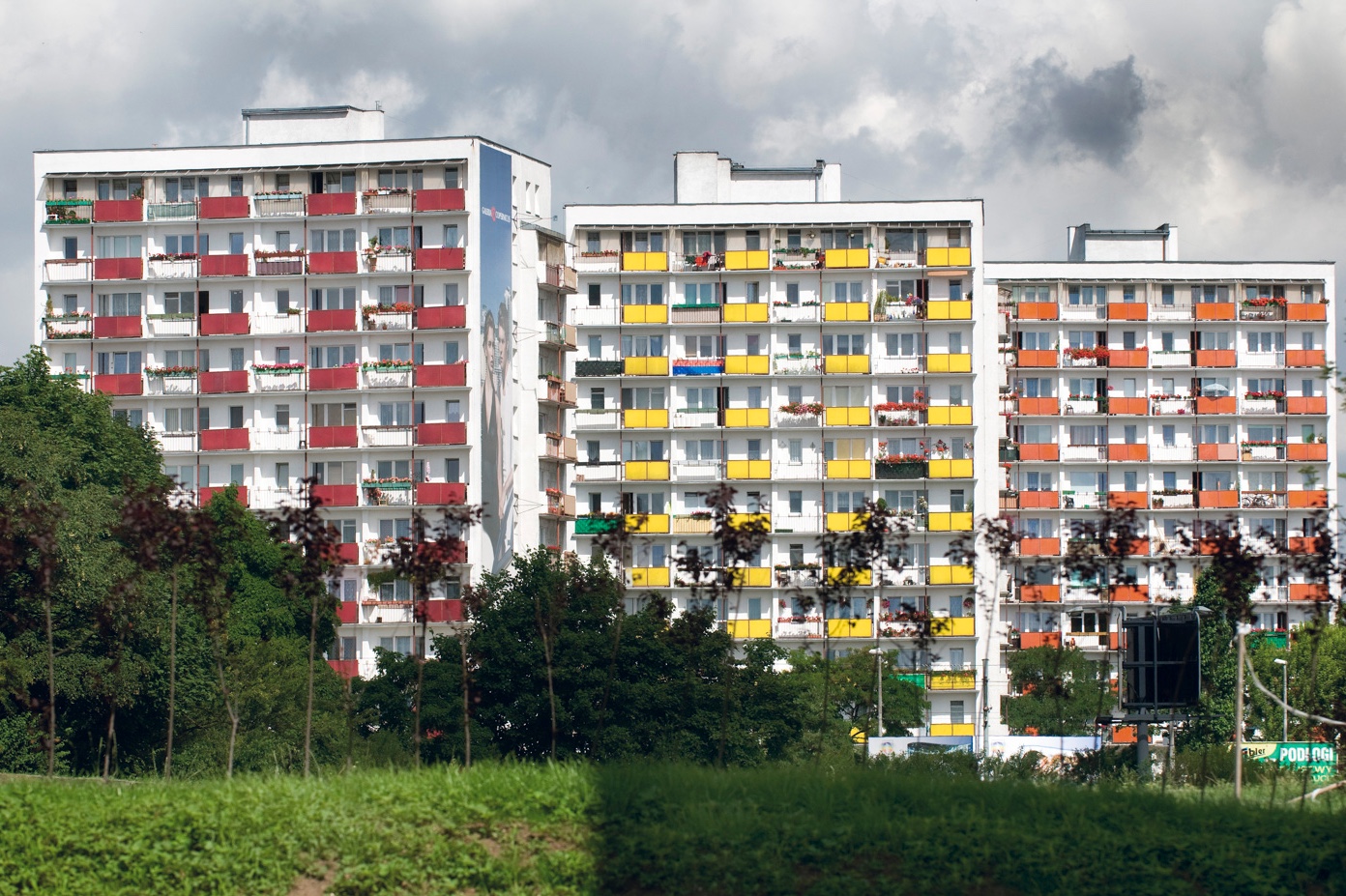
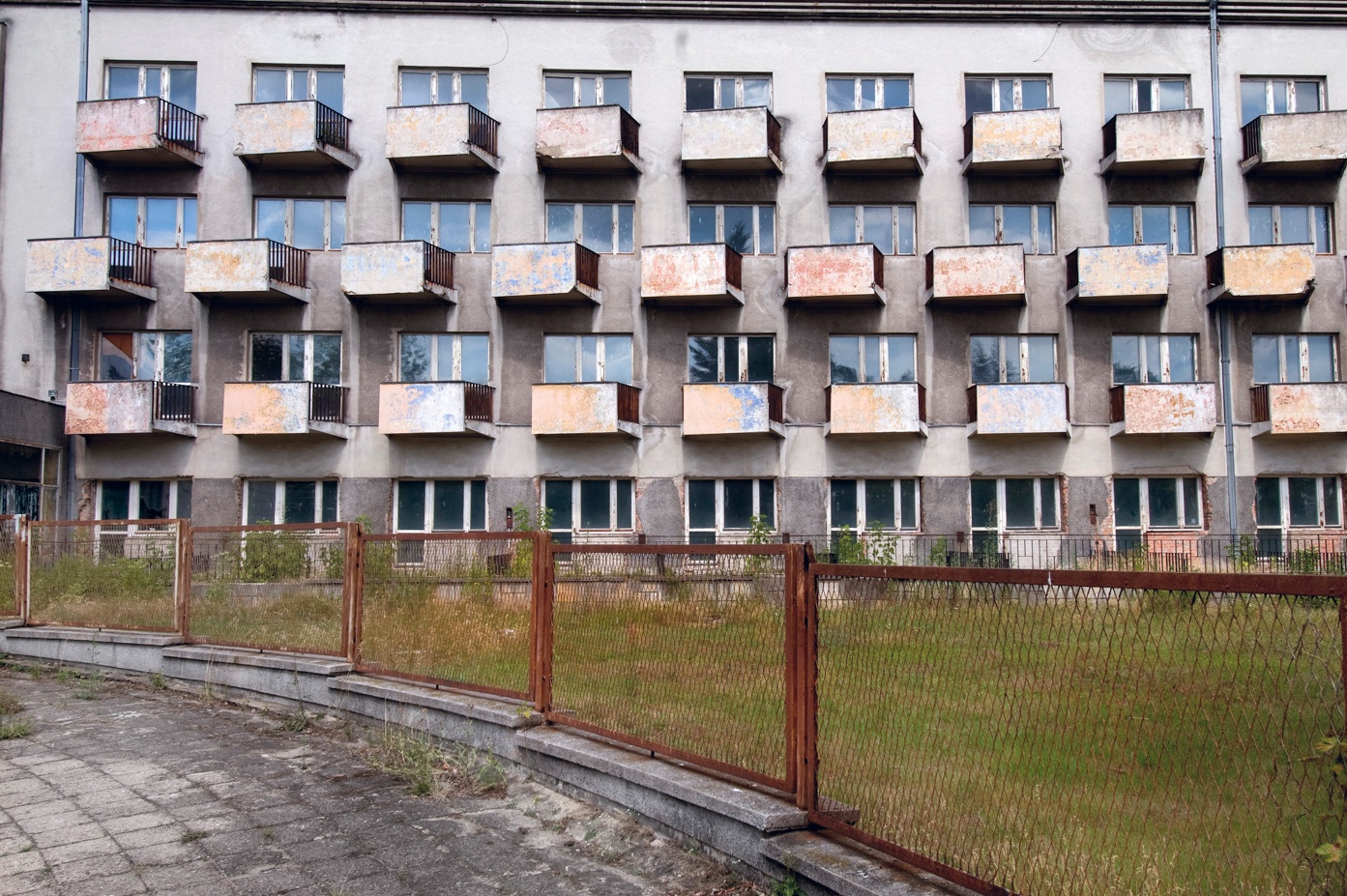
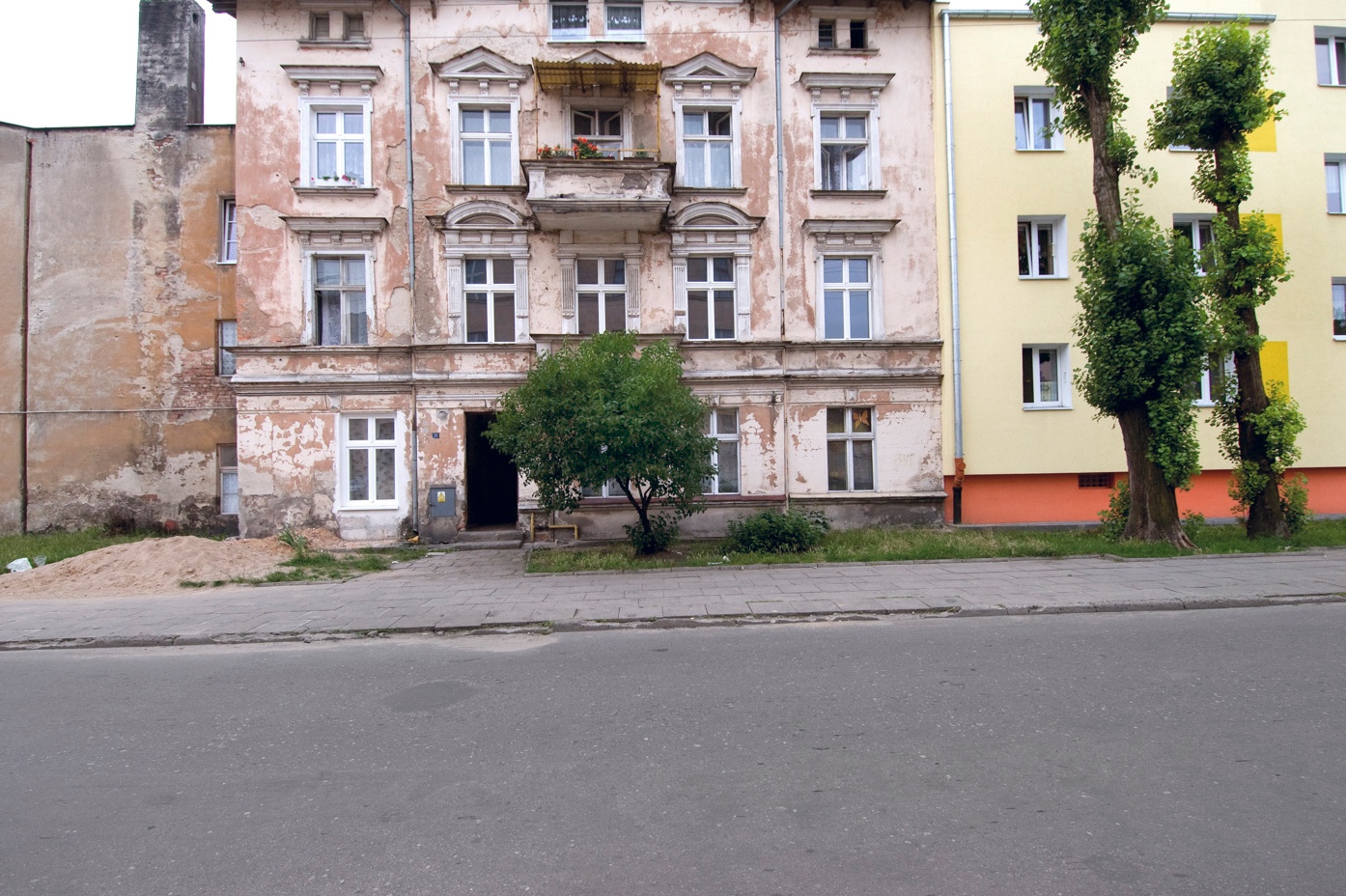
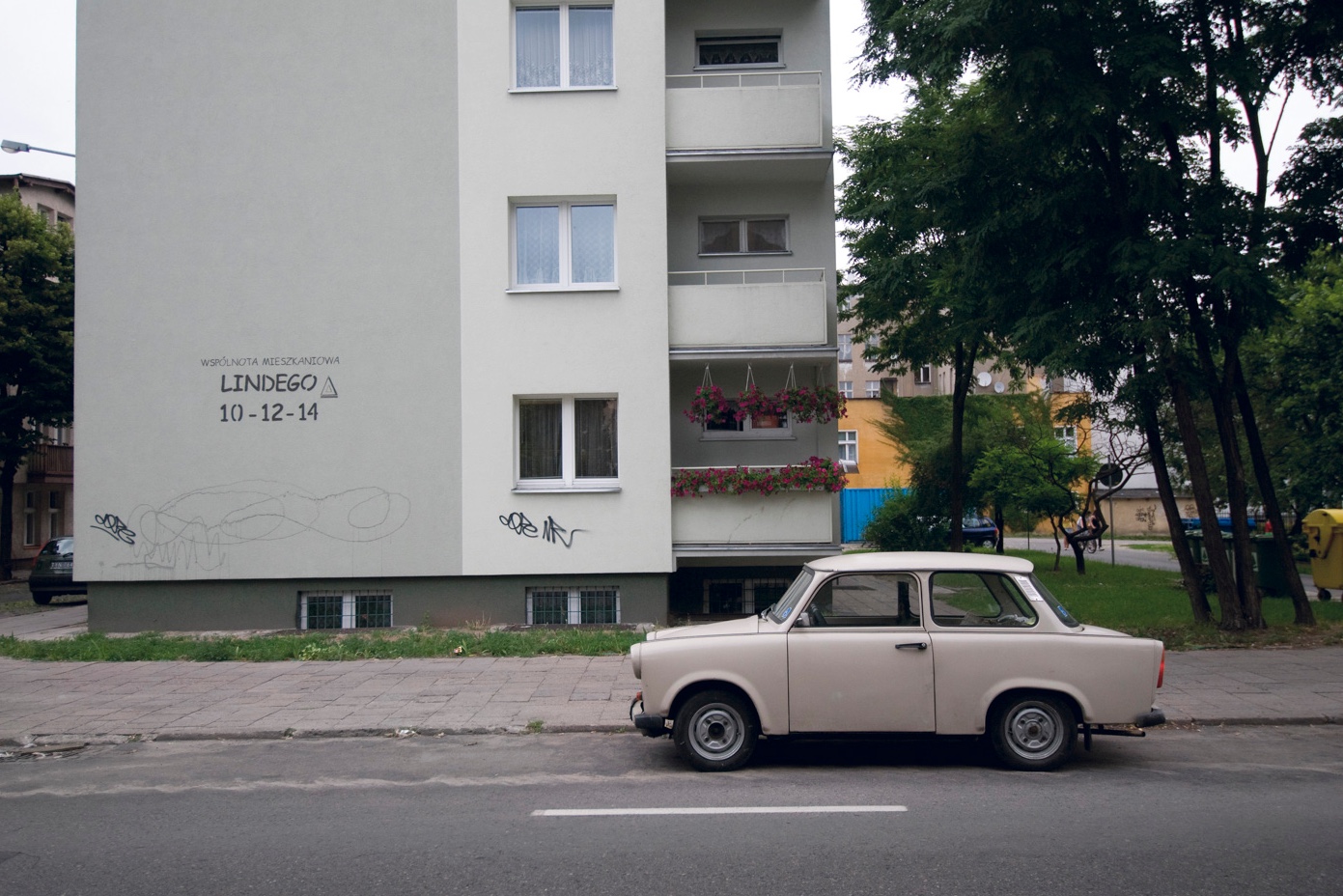

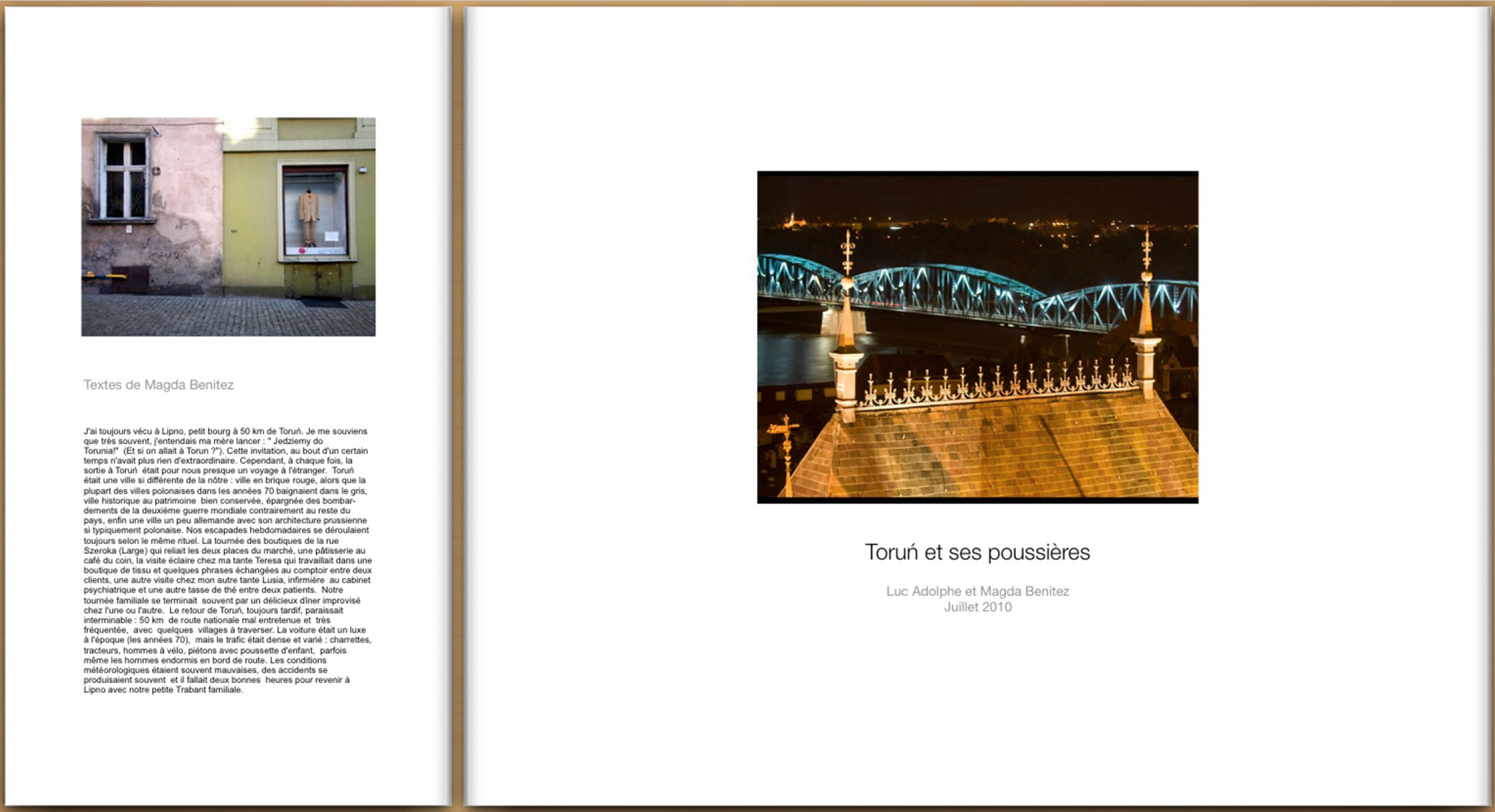
The “Torun and stardusts” exhibition, made up of 48 photos, was born out of this mission. Inaugurated at the Centre Méridional de l'Architecture et de la Ville de Toulouse in May 2009, on the occasion of the World Year of Astronomy, it brought together specialists in the cosmos and the city, Toulouse and Torunians during the days “From the city of Copernicus to the European capital of space”.